10 Reasons to Visit Kashmir: Lake Dal, Wazwaan Food, and Mughal History

Published on Jan. 6, 2026
Kashmir Valley is, because of its unstable history and the Indian government's continuous framing of it, considered to be an unsafe place and not suitable for tourists. Going there, of course, will show you a completely different picture. In particular, the area around its capital, Srinagar, is home to amazing nature, the beautiful Mughal-era gardens, a rich history, and hospitable people.
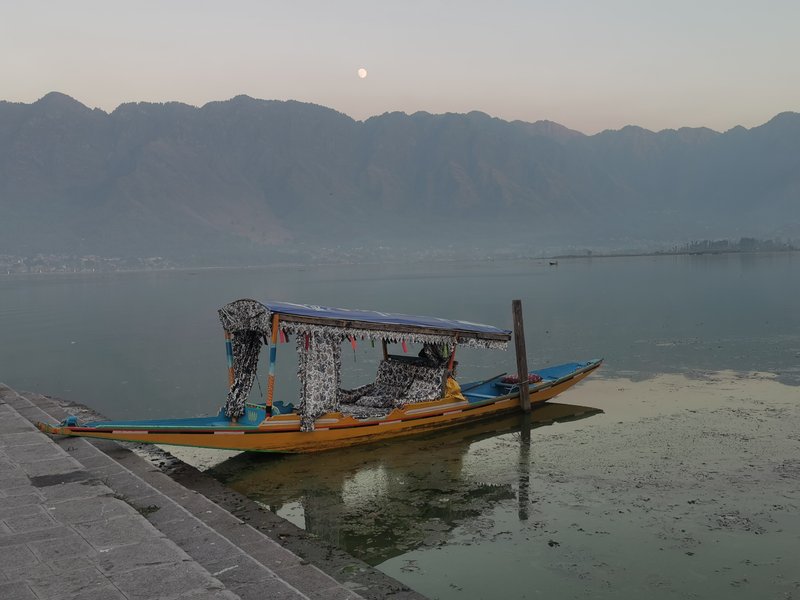
(Lake Dal, Markus Müller)
The local culture developed in close relation to Lake Dal, which is situated in the middle of the valley and provides people with fresh fish and a place to live. When I arrived, this was one of the first places I settled in: a houseboat, one of my top 10 reasons to visit the Kashmir Valley.
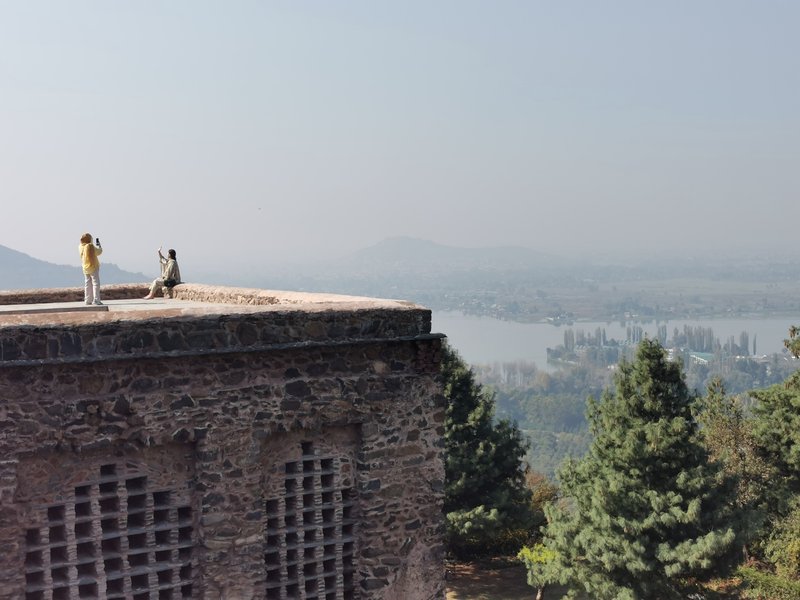
(View from Pari Mahal, Markus Müller)
1. Houseboat
Staying on a houseboat in Srinagar is an amazing experience, yet it also has its disadvantages, which you should consider before booking such an accommodation. The prices can generally vary a lot, depending on which type of room and which season you choose. I came to Kashmir close to the beginning of winter. People complained that by November, life comes to a standstill; power cuts and lack of heating make the situation even harsher.
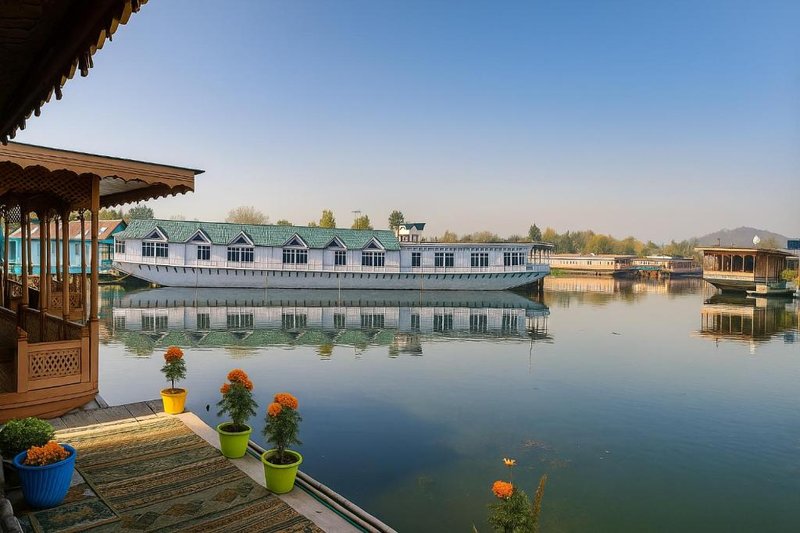
(Source: Hayat Group of Houseboat, Booking.com)
By October, the rates for accommodation drop significantly. About 8-11 euros per night is common, and it can be even lower by December. With winter approaching and people expecting months of poverty, you will likely get asked for a little extra money. In fact, street sellers will get pushy as soon as you look at their products, and even the seemingly free coffee or tea in the guest house might turn out to have a price. Honestly, that's all understandable. Most of the time, after getting past business matters, you will enter into some deeper conversation about people's lives.
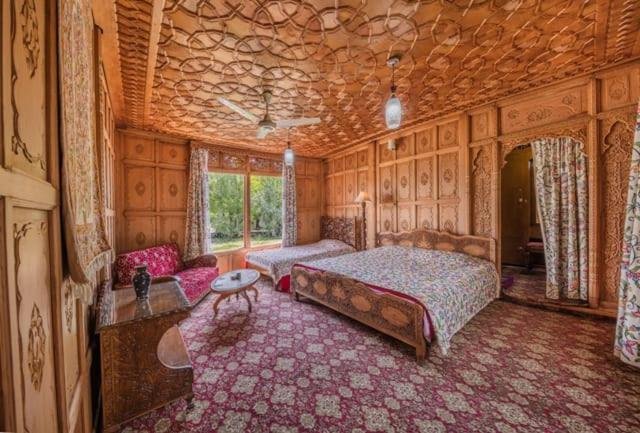
(Inside the houseboats, Source: S Group of Houseboat, Booking.com)
The bigger problem with the houseboats is that they are on the water and not near the shore. So you will always need some sort of transportation. Many houseboat owners organise that for you. Otherwise, you would have to pay for one of the Shigara boats, which might be pricey. Even without those costs, the location makes you a lot less flexible. In my case, I was asked to be back at the pier by 9 or latest 9.30 p.m. Since I had some work to do on my laptop anyway, that was fine. But if you want to go out and have extended dinners with friends, it might be a problem.
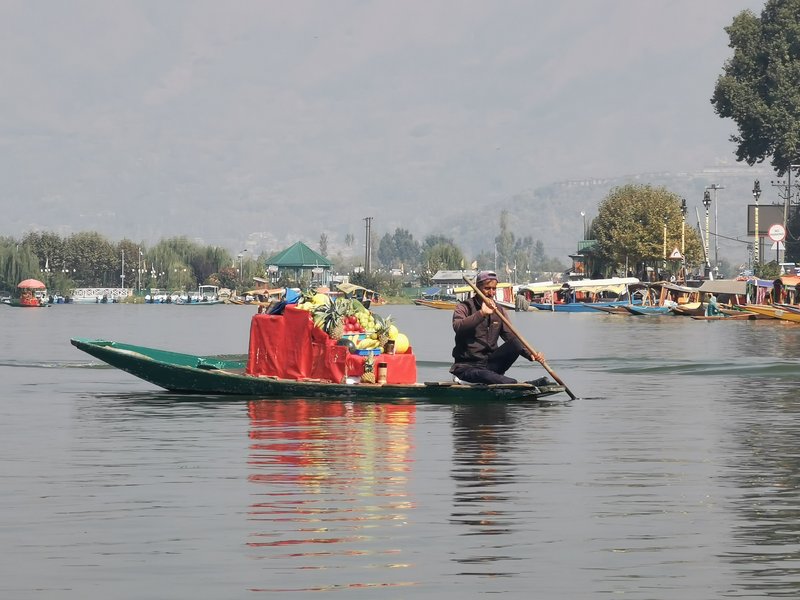
(Shiraga boats on Lake Dal, Picture: Markus Müller)
Another thing is that many Indian prepaid SIM cards are blocked in Kashmir. So I had some difficulties contacting the houseboat owner to send me transportation or pick me up. The shigara men at the pier helped me, and things went quite smoothly. But once on the boat, you can't just go back again to get some snacks in the shop.
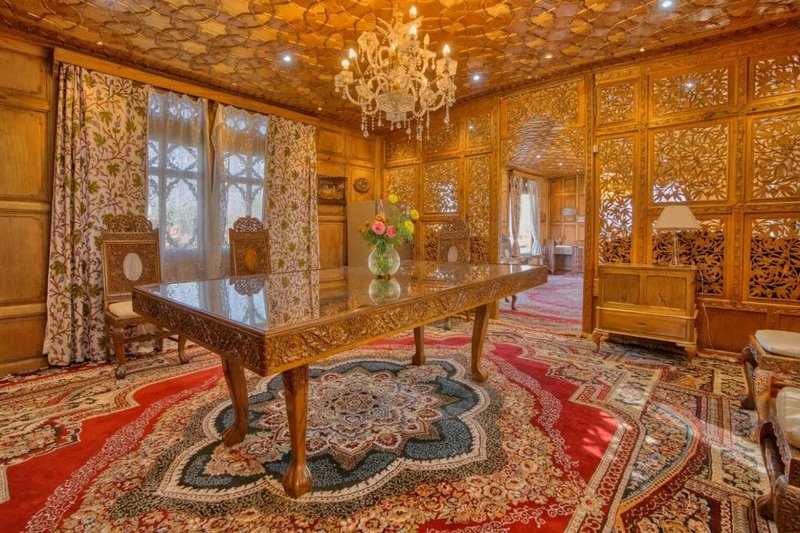
(Source: Best View Group of Houseboat, Booking.com)
It all pays off, of course, with amazing views and a very quaint atmosphere. Many of the boats are very old and wooden. The precious carvings and the chandeliers give your stay a unique vibe. In the bathrooms, you also find running water and a tub. So you can feel quite comfortable, but compared to hotels, there are actually some downsides to it.
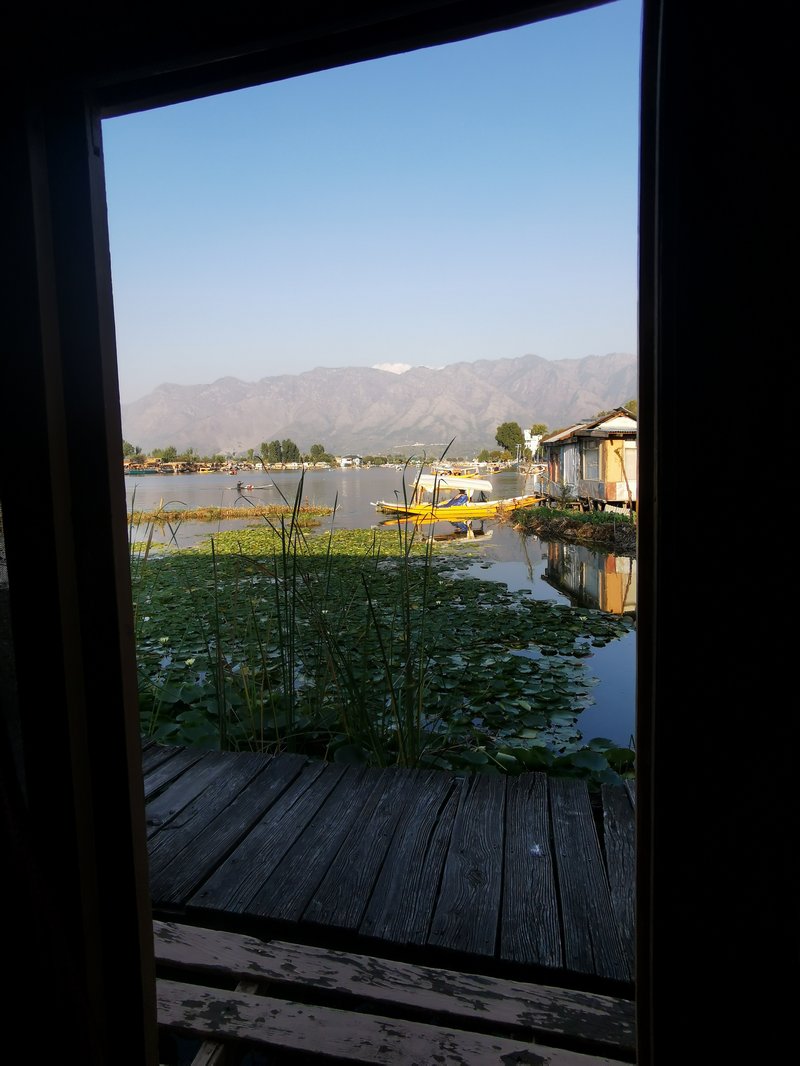
(View from the houseboat, Markus Müller)
If it gets cold, you won't feel too warm on the houseboats. Heating isn't much of a thing, and because of the high fire risk on a wooden ship, they won't provide electric heaters. So all you can do is cover yourself up in blankets, blankets, and more blankets. However, I'm just writing about my stay in October, when the night temperatures have already dropped. In summer, the experience might be very different.
What not to do: SMOKE. I've heard a few stories of boats being burned down because disrespectful guests ignored the rules and just kept on lighting up cigarettes. If you are a regular smoker, this might be an issue.
Pros:
✅ Nice Views
✅ Antique Atmosphere
✅ Friendly Service
✅ Running Water and Electricity, no worries
Cons:
❌ Not so flexible because of the boat transport
❌ You can't go to the shop whenever you want
❌ Cold in autumn and winter
❌ Spooky sounds and swinging chandeliers (could also be a pro!)
❌ No smoking here (in case you are a smoker)
2. Chashma Shahi
The Kashmir Valley is perfect for growing a variety of plants, and thus, you will find three historical gardens from the Mughal era. One of them is Chashma Shahi, founded in 1632 by Emperor Shah Jahan, only a few kilometres away from Srinagar.
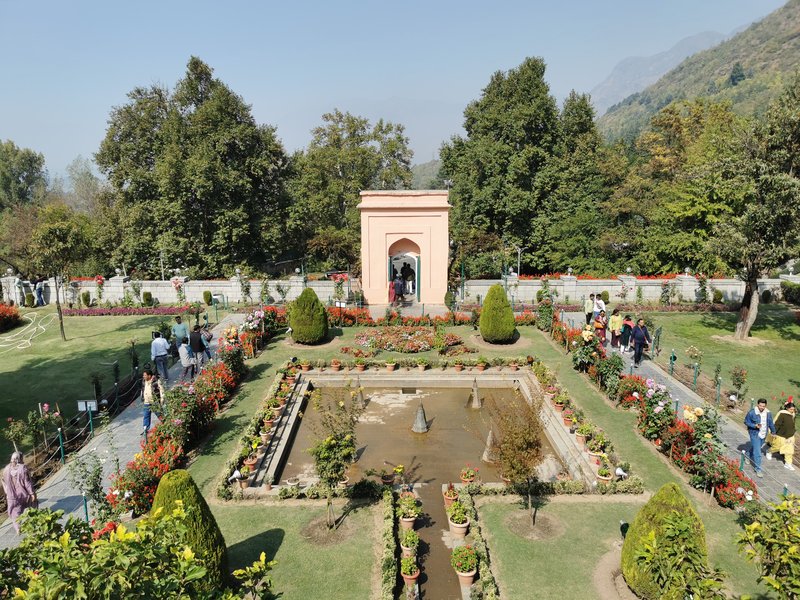
(Chashma Shahi, Markus Müller)
To get to Chashma Shahi from the piers at Lake Dal, you will have to travel a bit to the East. I hitchhiked straight along the shore to the crossroads of Boulevard Rd and Chashma Shahi Rd. Since I couldn't get more cash out of the ATM, I decided to walk all the way up to the attraction from the crossroads, instead of taking a rickshaw. Along the way, you can also take a turn to the left, where you will find the Botanical Garden with its famous tulips. I’m honestly not that much into tulips, so I skipped it. Flower lovers will probably be amazed.
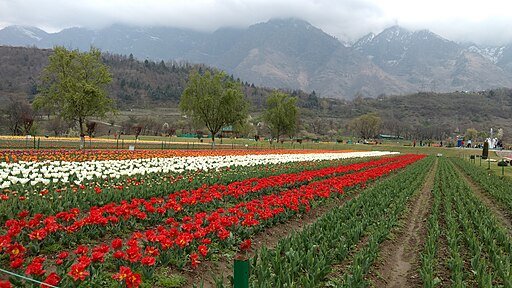
(Srinagar Tulpengärten, Quelle: Aman Sachan, Wikimedia, CC BY-SA 4.0)
From the main road to the Chashma Shahi Gardens, it’s about 2 km, so 30 minutes walking or 5 minutes by car or rickshaw. I think I even tried to ask some drivers for a lift, but the rates they were giving me seemed a bit too high. Combined with my lack of cash, I preferred walking, and by doing so, managed to pass the military checkpoint a lot faster than the vehicles.
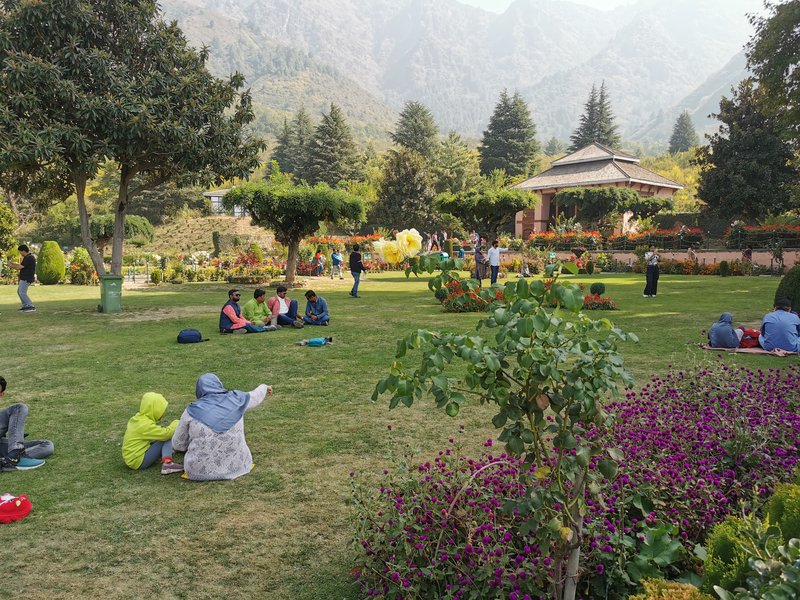
(Chashma Shahi, Markus Müller)
Once at the entrance, you will have to buy a ticket. For Indian tourists, the rate is quite cheap. Of course, if you compare the foreigner’s rate to Europe or the US, it’s still low. 300 Rupees, or 3 Euros, is affordable, well, if you have enough cash, of course.
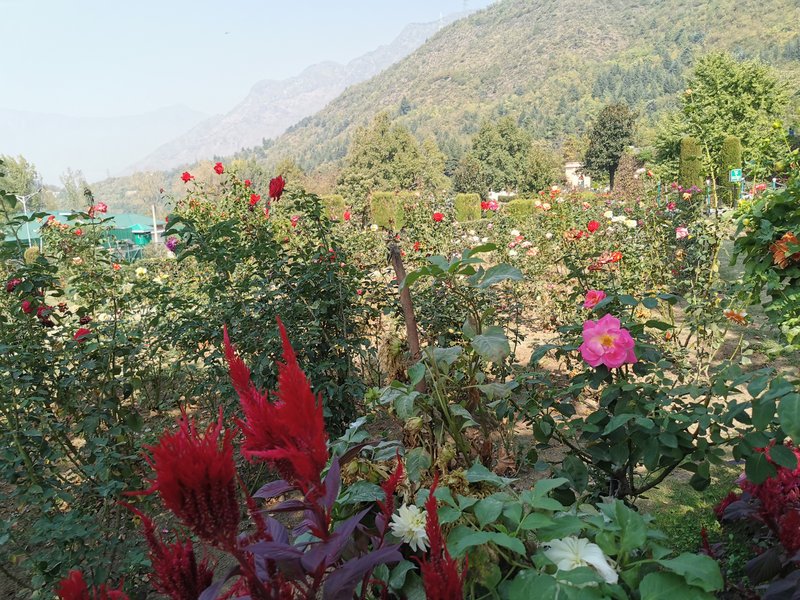
(Chashma Shahi, Markus Müller)
In the gardens, you can enjoy some beautiful views and walk around the springs and fountains. Many locals and Indian tourists like to sit around and have their picnics here. Other than that, you will be finished fast with your walk around the terraces. I would say half an hour is enough to see everything. If you have time and don’t want to discover all the Srinagar attractions in one day, you can also take a rest there and just enjoy the greenery.
Location: Chashma Shahi
Entrance: ca. 300 Rupees
Opening Times: Mon.-Sun. 09:00-19:00
3. Pari Mahal
It's only 2km from Cheshma Shahi to Pari Mahal, so I was thinking of walking all the way up to this famous viewpoint. Unfortunately, the path goes steeply up the hill. After walking for a little while, I decided to jump on a rickshaw despite it being fully packed, hoping to split the fare with my fellow passengers. In the end, he still wanted a lot of money, probably as much as the others paid in total. Almost the same amount went into the entrance fee to Pari Mahal.
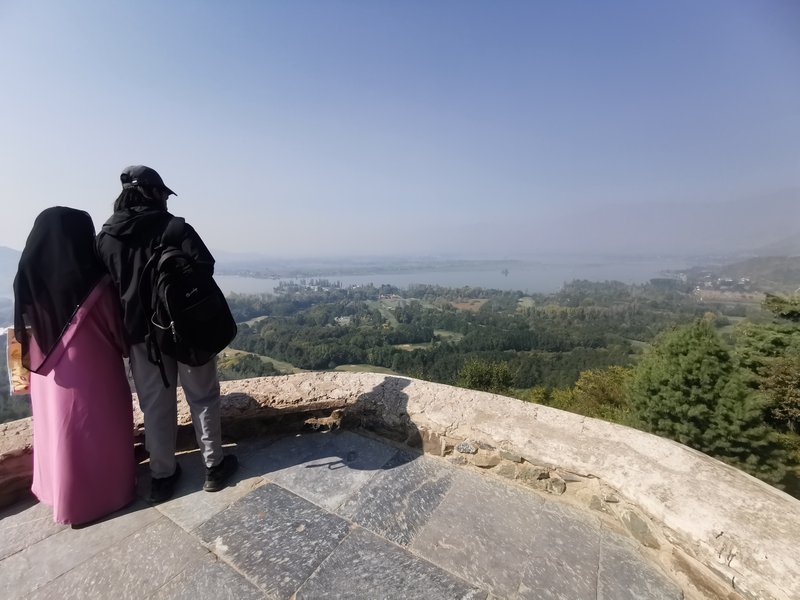
(View from Pari Mahal, Markus Müller)
After arriving at Pari Mahal, I nearly got in for free. Looking for the toilets, I noticed a beautiful terrace next to me, unguarded and apparently free of charge. I thought that I had stumbled across an alternative to the official viewpoint; unfortunately, it turned out to be the exit, and the security workers thought I was trying to sneak in. Since I wasn’t planning that (if I had, I would have succeeded, of course), I was caught and brought back to the ticket office. Full rate applied, another 300 Rupees gone. Yes, it’s not much, but it is if no ATMs are working.
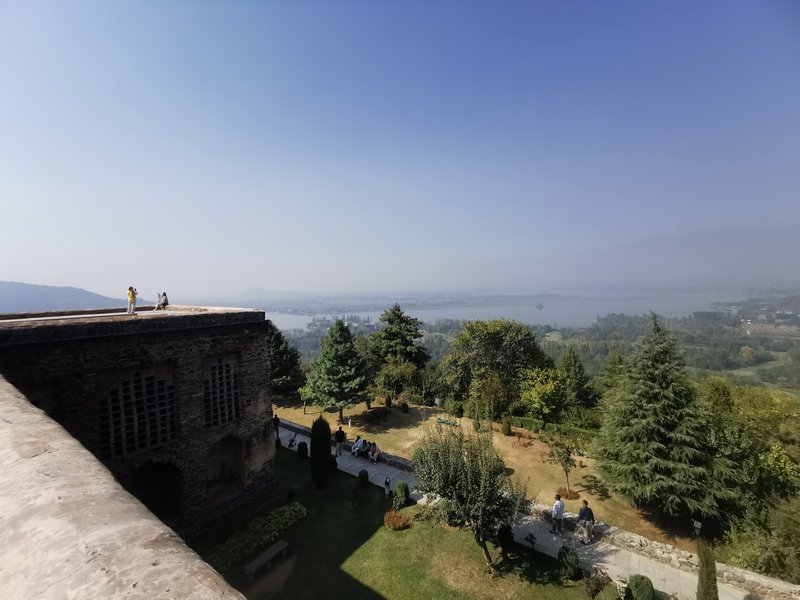
(Pari Mahal, Markus Müller)
Pari Mahal, however, is worth paying the ticket. The little garden and palace struck me more than Chashma Shahi before, mainly because of its elevated position and the view over all of Lake Dal, Srinagar, and the Kashmir Valley.
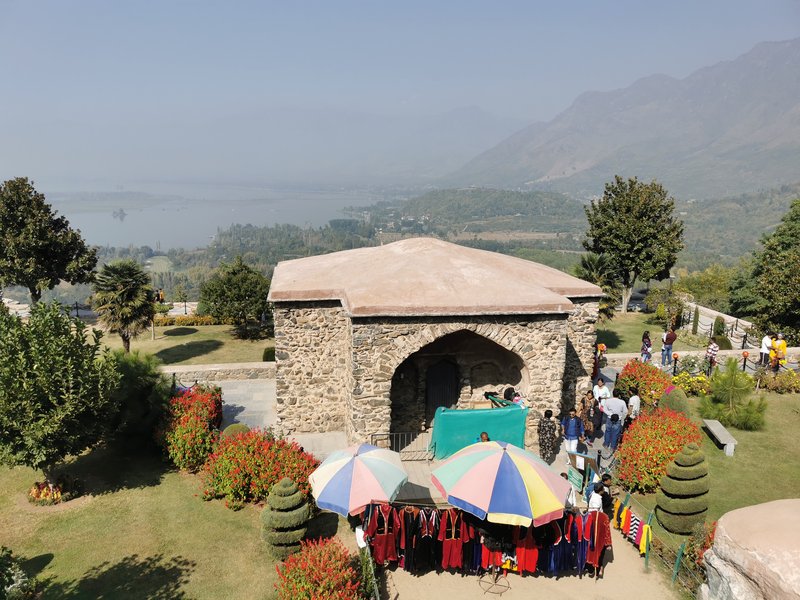
(Pari Mahal, Markus Müller)
Like Chashma Shahi, it is a heritage of the Mughal time and a beautiful piece of Muslim architecture on today’s Indian claimed soil. The construction dates back to the 17th century and was built in the 1640s/1650s by Shah Jahan's son.
Location: Pari Mahal
Entrance: ca. 300 Rupees
Opening Times: Mon.-Sun. 09:00-19:00
4. Nice People
Basically, I had almost no cash left in my pocket, and I didn't want to spend the remains on greedy rickshaw drivers again. So, I refused their offers and started to hike all the way down. My thinking in such moments is: someone will see me and invite me for a ride. So, I presented my thumb, to no success. Apparently, there were only commercial vehicles on the way, mainly rickshaws, nothing to hitchhike with. However, at some point, I bumped into a parked car in one of the curves down from Pari Mahal.
The two guys sitting inside asked me to come closer, inquired about my nationality, and offered me their local vodka speciality. A few seconds later, I found myself sitting inside the car with a cup of Smirnoff-Water in my hand - a Kashmiri version of Skinny Bitch - just without lime, and no ice, and no bubbles. They explained that they had a day off and their wives are not supposed to know that they are drinking alcohol, because officially they are 'good muslims'.

(Me and Vodka-Water, Markus Müller)
Of course, right in that moment, the one man's wife just had to call, so we kept silent, slurping on our drinks and trying the most delicious takeaway fried fish from Lake Dal, with a dash of masala. After he had finally convinced his wife that he was simply relaxing and sipping tea in one of the Mughal gardens, he could explain more about his life.
Being a police man, he told me that he's often at the border with Pakistan and would like to show me the area. Talking about the region, he then started to rant: he complained a lot about the Indian army fabricating false proof of Kashmiri boys being terrorists and holding them in jail for months. Later, while hitchhiking back from the Saffron village of Pampore, I would hear similar accusations and complaints about the topic.
In the end, my new acquaintances were so nice as to drive me all the way down to the Nishat Gardens. Being slightly tipsy from the vodka water, I stumbled across the street, reached the entrance of the Gardens, and spent the last of my Rupees on the ticket. Now I really had no money.
5. Nishat Gardens
Being already quite tipsy, I entered those Nishat Gardens. The water canals were put here in 1633 by Asif Khan, the father-in-law of the aforementioned emperor Shah Jahan. Apparently, the Mughal leader was shocked by the beauty of Nishat Bagh and wanted to make the gardens his own. It's true, the magnificent Garden right at the bank of Lake Dal fascinates with its colourful flowers and the Zabarwan Mountains rising behind it on the horizon. Therefore, no surprise, the emperor got jealous.
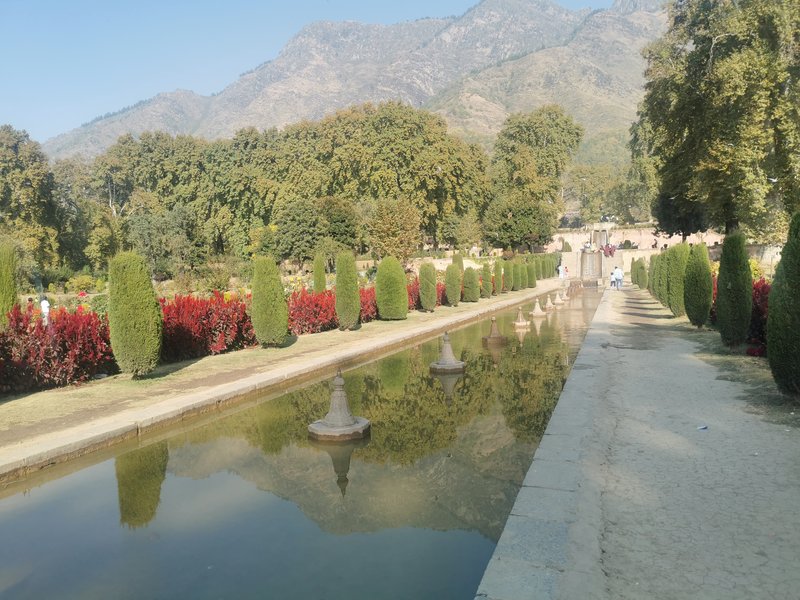
(Nishat Gardens, Picture: Markus Müller)
Actually, I only found out about the history of the Nishat Gardens afterwards. At the time of my visit, the vodka led me and made me chatty. Every time someone came up to me demanding a selfie, I got into a conversation. I mostly ended up talking with school groups on educational visits. Their teachers explained to me the importance of this place for local culture and that they often bring their students here.
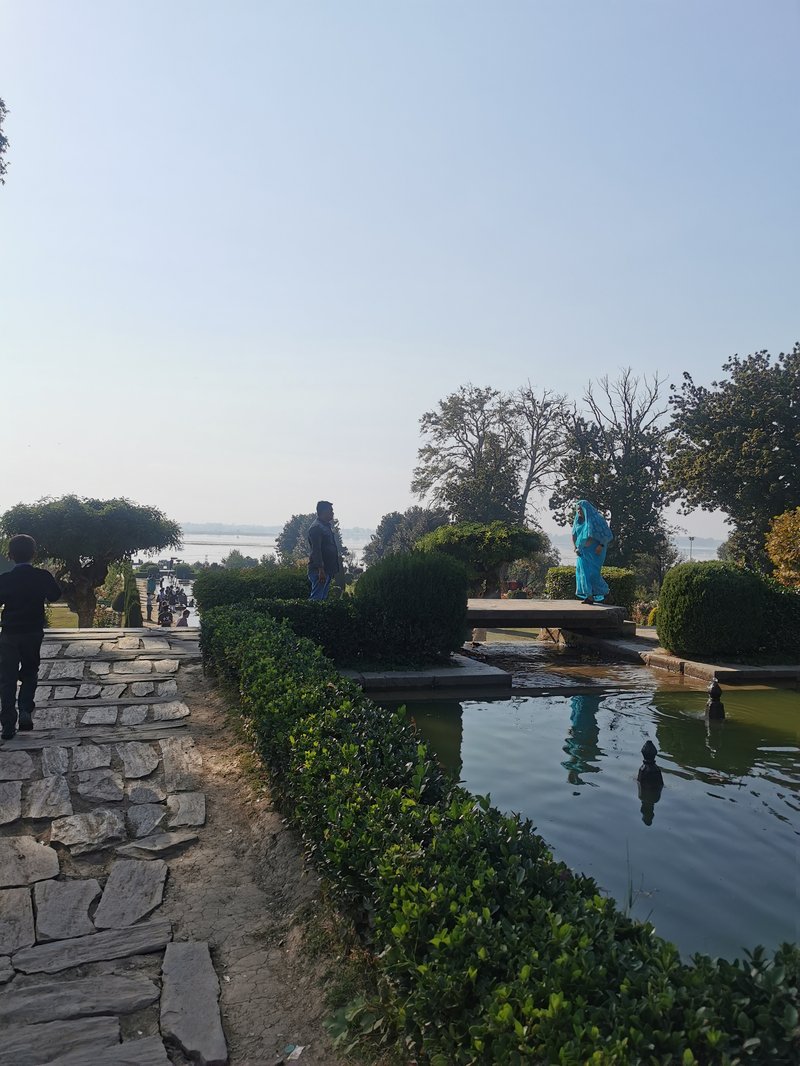
(Nishat Gardens, Markus Müller)
For the teachers and the kids, it was the perfect chance to practice some English and show off their skills in front of each other. Eventually, we had to take a lot of selfies as well - it's hard to avoid it when in Kashmir, and well, why not. I probably spent around ten minutes just posing with every kid. What exactly they use this material for is completely unknown to me.
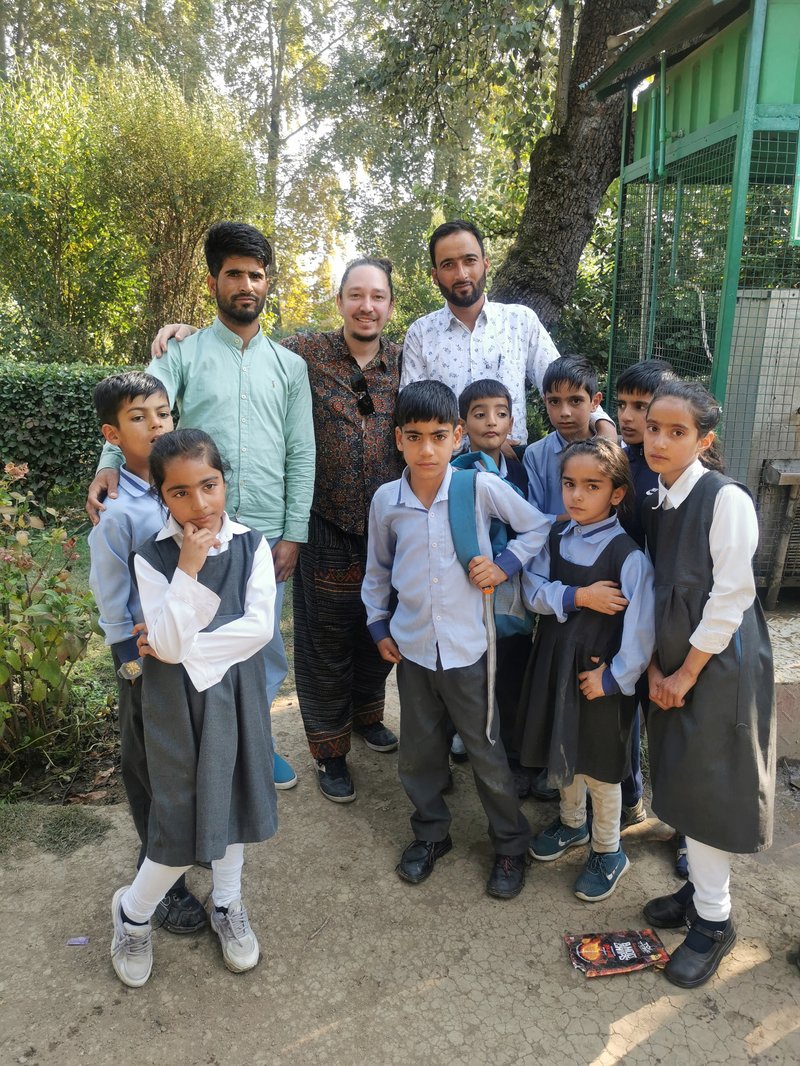
(Me and my new friends in Nishat Gardens, Markus Müller)
The English teacher then continued showing me around and told me about the mixed school classes here, and that girls don't have to cover their hair. Then suddenly, he pointed at the lawn to the right, where a picnic was taking place: it was an authentic Wazwaan Feast, the traditional Kashmiri food combination for special events.
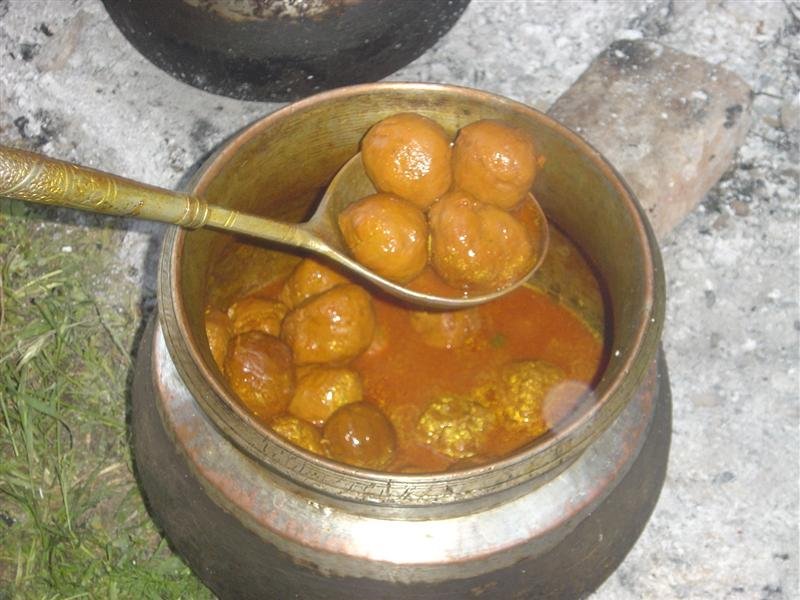
(Traditional copper pot with Rista meatballs, Source: mir.owais, Flickr, BY-NC-SA 2.0)
My temporary companion waved some of the men from the picnic over to hand me a big Rista meatball, dripping with sauce, directly into my hand. I started chewing on it, despite the ball being way too hot. Eventually, they insisted that I come over to indulge a bit more in the savoury joys of Kashmiri cuisine.
The picnic group also consisted of teachers, but without kids on their day off. They used the chance to have a small event among colleagues, with everyone from the sports teacher to the principal being present.
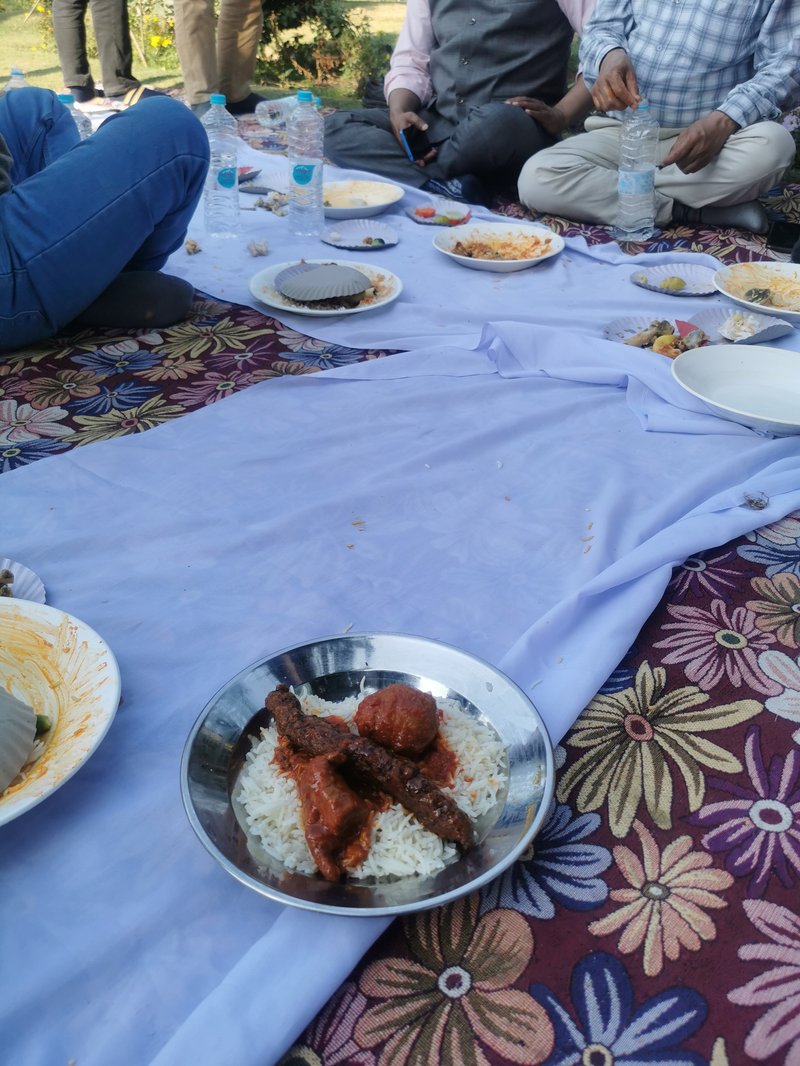
(Kashmiri kebabs, Markus Müller)
The English teacher from before slowly walked off into the distance, and I was left with a new group of people, very eager to talk about philosophy. For a moment, I was sure, they just had the same amount of vodka as me - how else would they get so deep into long academic chats?
One of the teachers seemed to be very fond of Marx and kept on praising the old-school Communist, in response to which I, of course, explained that I was born in a Socialist state. At some point, we did end up talking about the Marxist view on women's rights and how they are protected in Kashmir, with different factions building up.
The most pressing question was about marriage and divorce, me trying to give them specific cases in which women should have a clear right to actively divorce their partners. Some were strictly against it, arguing that women couldn't financially survive at the end of the day if they divorced their husbands and tried to live by themselves, together with their children.
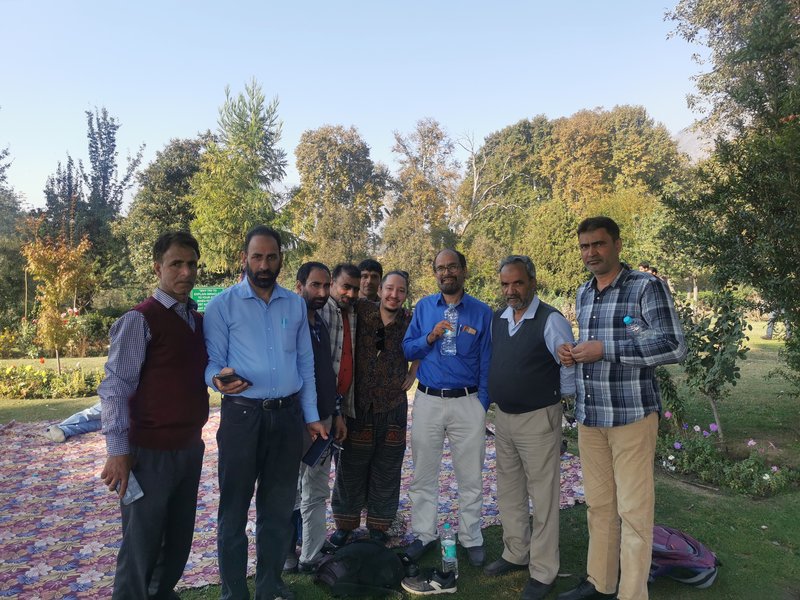
(Philosophical debate with Kashmiri teachers, Picture: Markus Müller)
The main argument seemed to be that there wasn't a support system in place and that women couldn't find work without a professional background. Others were pointing out the religious side more, a view not only found in the Muslim societies on the subcontinent. Later on the trip, I would hear similar words from Hindus.
Obviously, we couldn't settle on one solution or idea. It's simply a different outlook, but one can have quite interesting discussions if you argue within the cultural context. It was still a good insight into how people in Kashmir, in this case, local men, think about life and gender.
Location: Nishat Gardens
Entrance: ca. 300 Rupees
Opening Times: Mon.-Sun. 09:00-19:00
6. Wazwaan Feast
The little experience of the Wazwaan Feast in the Nishat Gardens opened my eyes to the mouth-watering Kashmiri cuisine that is quite different to what the Indian kitchen usually has to offer. A proper Wawzaan consists of multiple courses, usually based on lamb and chicken meat. Therefore, it’s a great way of discovering the whole range of food available in the region.
The most common Wazwaan has 36 dishes, and people sit together in groups of four people to share one plate or traem copper bowl. First, you wash your hands, then the different meals will be brought to the eaters. The first dish, usually, is a large heap of rice accompanied by two large skewers of kebab.
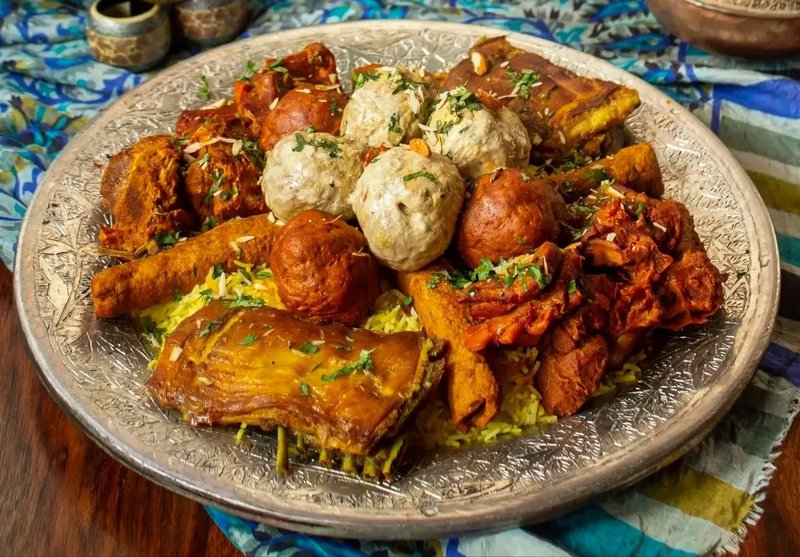
(By wazwanksa.com - https://wazwanksa.com/, CC BY-SA 4.0, https://commons.wikimedia.org/w/index.php?curid=162513225)
Apart from that, you will be served a Methi Korma, which is strongly flavoured mutton intestines, lamb ribs cooked in ghee and chicken in white sauce and in saffron sauce. You will also get some dips like yoghurt and chutney to add even more flavour to the food.
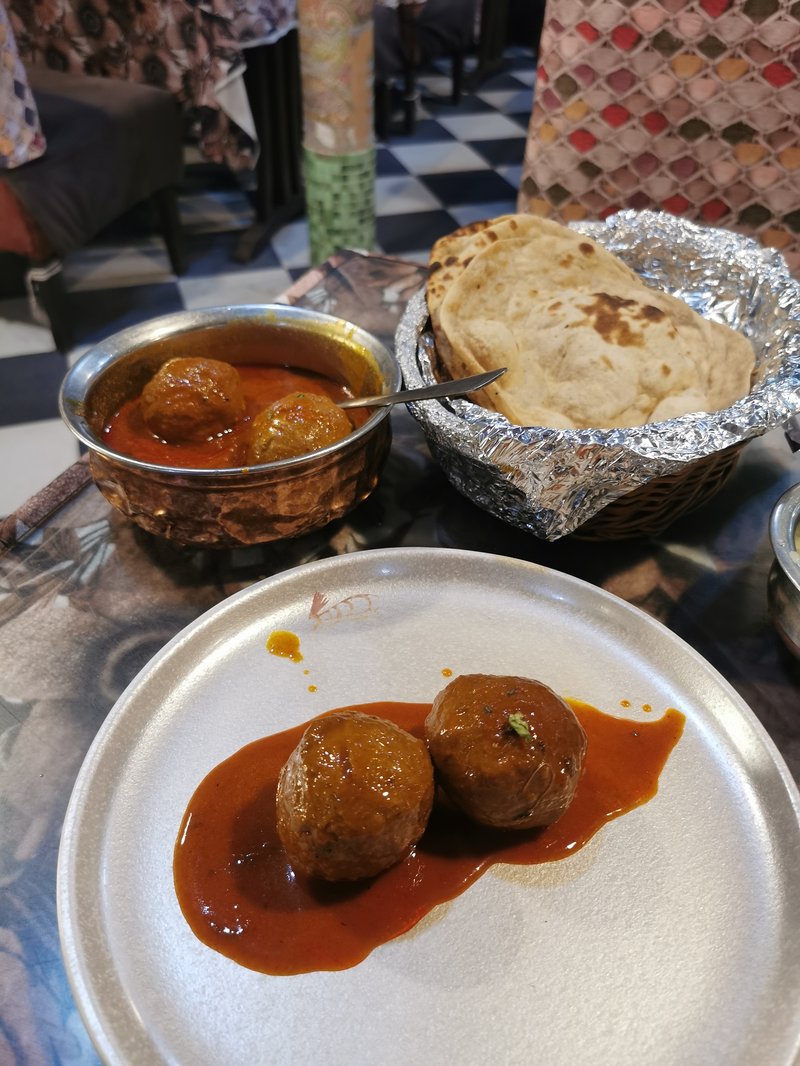
My personal favourites were the meatballs that are directly placed onto the plate (or into my hands) from a large copper pot. There’s one version called Rista, which is cooked in a red gravy that has a strong taste of paprika, fennel and saffron. The same type of meatball is later served in a spicy white yoghurt sauce. This dish, called gushtaba, is traditionally the last meal of the main course. I would only try it one year later on my visit to the Pakistani-administered Azad Kashmir without an NOC. The taste reminded me a bit of the East Prussian Königsberg Meatballs, which already says a lot about the Kashmiri flavours: compared to Indian and Pakistani cuisines, the dishes are a lot less spicy here.
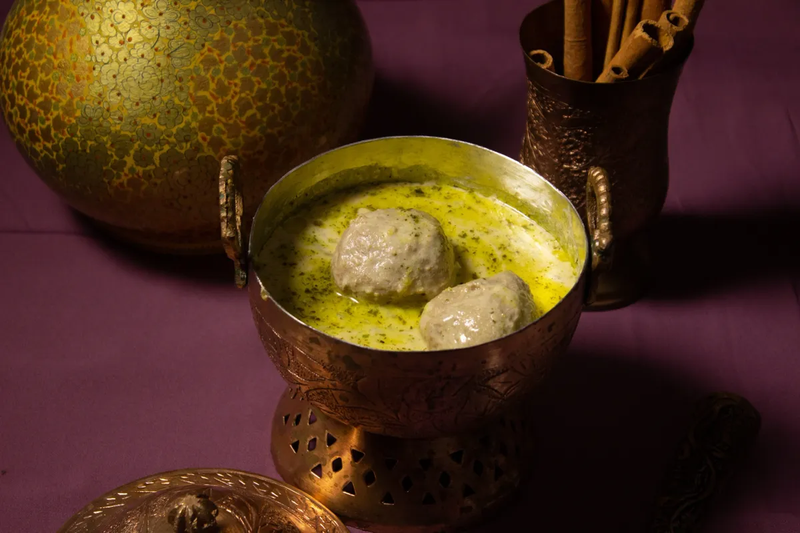
Gushtaba (Source: wazwanksa.com - https://wazwanksa.com/, CC BY-SA 4.0)
I haven’t really tried all of the meals, but most of the food tasted quite different to what you would get in other parts of the subcontinent, especially the lamb dishes; some of them roasted with yoghurt and coriander, others with cardamom and evaporated milk. Saffron is one of the most common spices in the area, with most of this high-quality product coming from the valley itself. It is part of the meatball sauces, the lamb dishes, and the chicken.
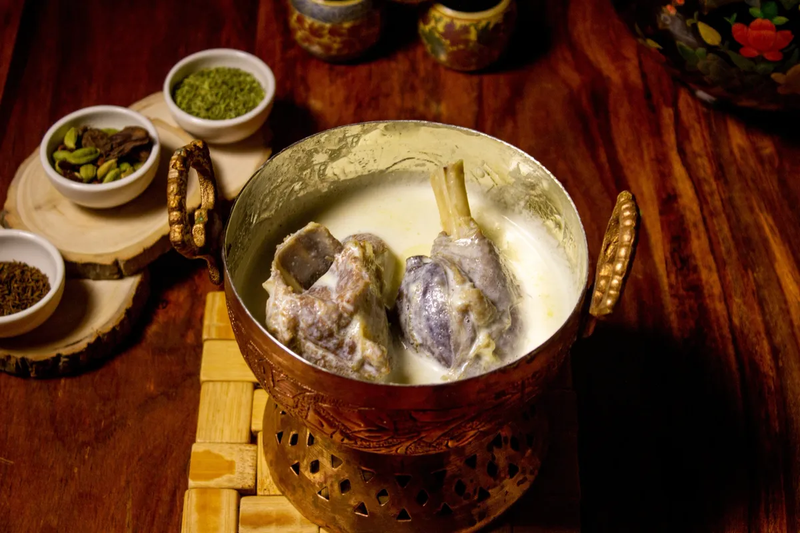
(Goshtaba, Source: wazwanksa.com - https://wazwanksa.com/, CC BY-SA 4.0)
Unfortunately, there isn’t a small version of Wazwaan, so you can’t go to a restaurant and order it for yourself. You can choose a few interesting options, though, and even ask for some smaller portions. The better option, of course, is to get invited to a family feast, and considering the level of hospitality in Kashmir, that is quite likely to happen.
7. Shalimar Gardens
The Shalimar Gardens are the third of the big gardens in Srinagar, and like the others, they were built under the Mughals. Established in 1619, they are actually the oldest of them. From Nishat, it’s pretty easy to get to Shalimar. By car or bus, it’s just a 5-minute ride, approximately 3 km.
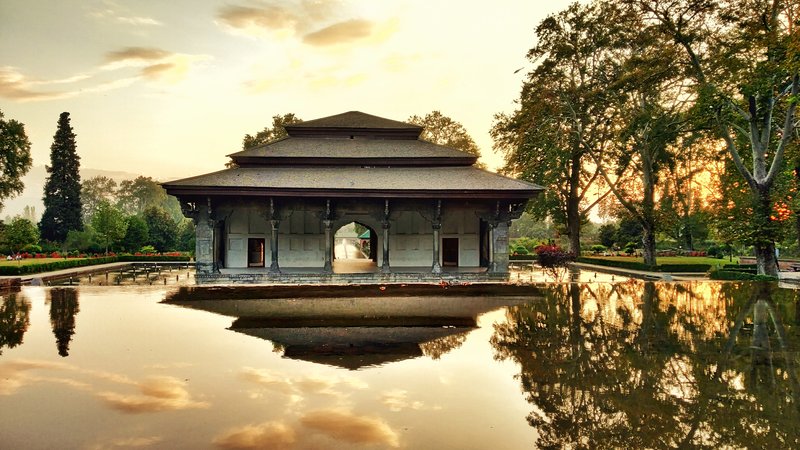
(Source: By ANSAR AHMAD - Own work, CC BY-SA 4.0, https://commons.wikimedia.org/w/index.php?curid=72942884)
For me, though, a visit to another park was too much. First of all, I needed to find a functioning ATM, and second of all, I had seen so many gardens already that I had grown weary of all the flowers. However, being built under Emperor Jahangir, they are different from the other gardens, and you can see slightly older designs. That's why it could be worth paying a visit.
What’s said to be particularly beautiful here is the marble pavilion that sits on one of the ponds. In Mughal times, it was used as a harem that was strictly prohibited from entering by anyone other than the emperor and his entourage. Later, the Sikh Maharajas turned it into a guesthouse for foreign visitors.
Location: Shalimar Garden
Entrance: ca. 300 Rupees
Opening Times: Mon.-Sun. 09:30-18:30
8. Hazratbul Shrine (Dargah Sharif)
After so much gardening and flowers, I was looking forward to discovering a different part of Kashmiri culture. By sunset, I wanted to be back at the shore, specifically near the shrine of Hazratbul. Popularly called Dargah Sharif, it is an important Sufi sanctuary, even considered to be the holiest in all Kashmir. Until today, it houses - that's what people told me - a piece of hair of the Prophet Mohammed.
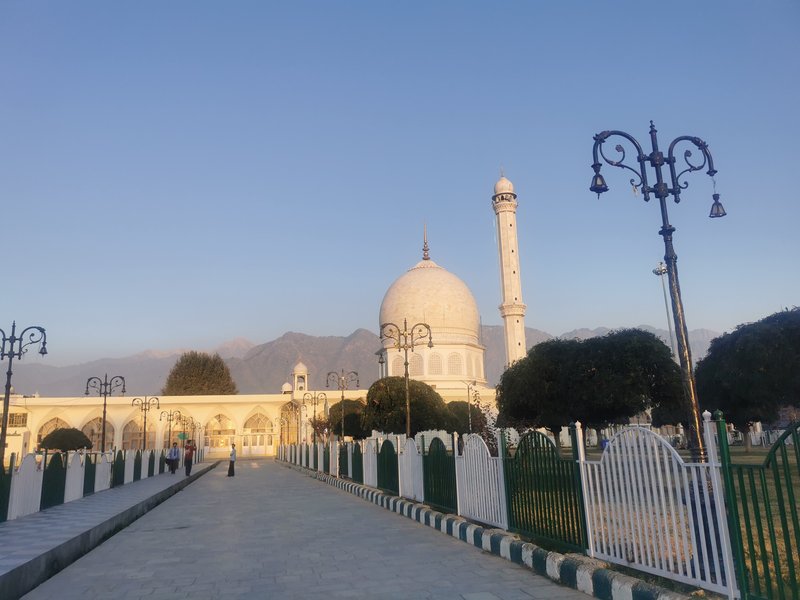
(Hazratbul Shrine, Picture: Markus Müller)
The Hazratbul Shrine was erected in 1634 during the reign of the Mughals over the region. Later, they expanded it, but in its final shape, it was only completed in 1979. The legend, by the way, says that the Prophet's relic only got here in the 17th century. A descendant of Mohammed is believed to have brought it to Srinagar all the way from Medina.
Not being a Muslim, I wasn't sure if I would be let in, but I gave it a try. For the 6 km from the Shalimar Gardens to the shrine, I decided to take a shared rickshaw - which also means, yes, I finally found cash somewhere! The driver dropped me off on the other side of Lake Dal on a road called Hazratbul. Judging by the name, I figured out that the shrine shouldn't be too far away from my location. Still, it took me a ten-minute walk to finally arrive at the gate, being welcomed here by a group of students.
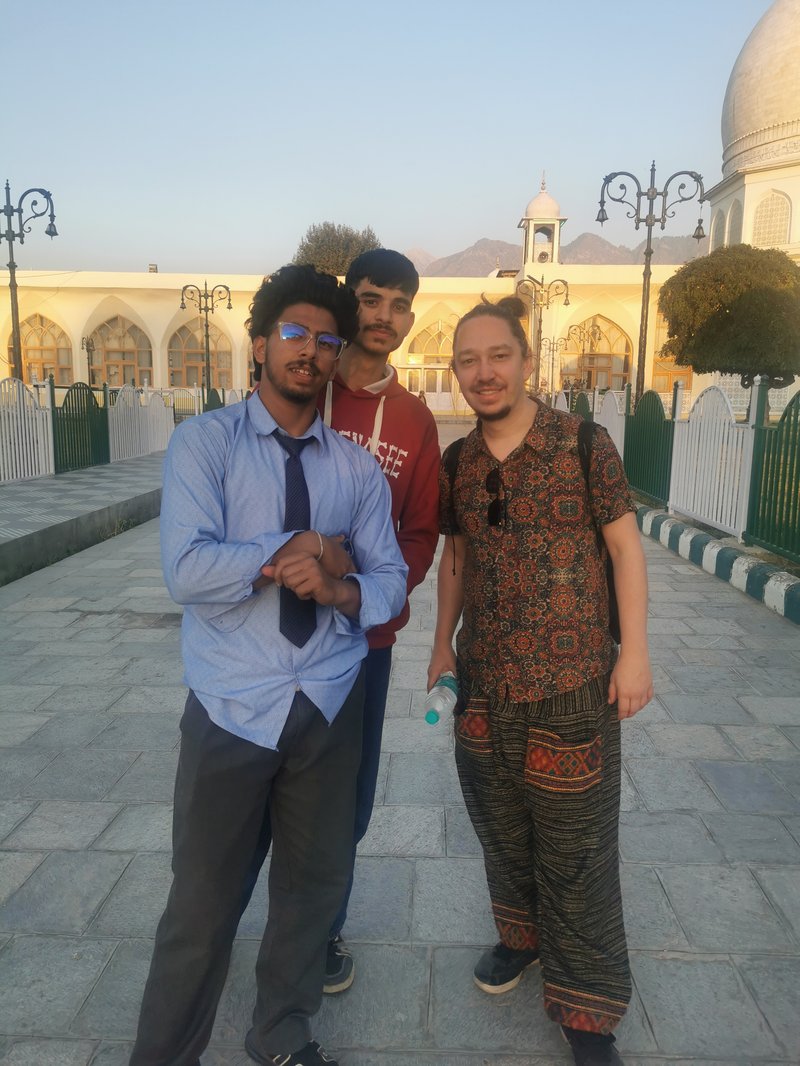
(Me with students at the Hazratbul Shrine, Picture: Markus Müller)
Two students were particularly chatty and kept on insisting on taking pictures with me. They told me about their dreams to leave Kashmir one day to travel to Europe, but also highlighted how important their local culture was to them. I asked them if I could visit the shrine, and they encouraged me to go inside. People there were similarly welcoming and showed me the position of the relic. I sat down on the floor for some minutes, contemplated, tried to understand where the famous object would be, but never actually got to see the hair. Probably it was hidden in a shelf or box. So after a while, I decided to leave the mosque through the other door, walking straight into the sunset at Lake Dal.
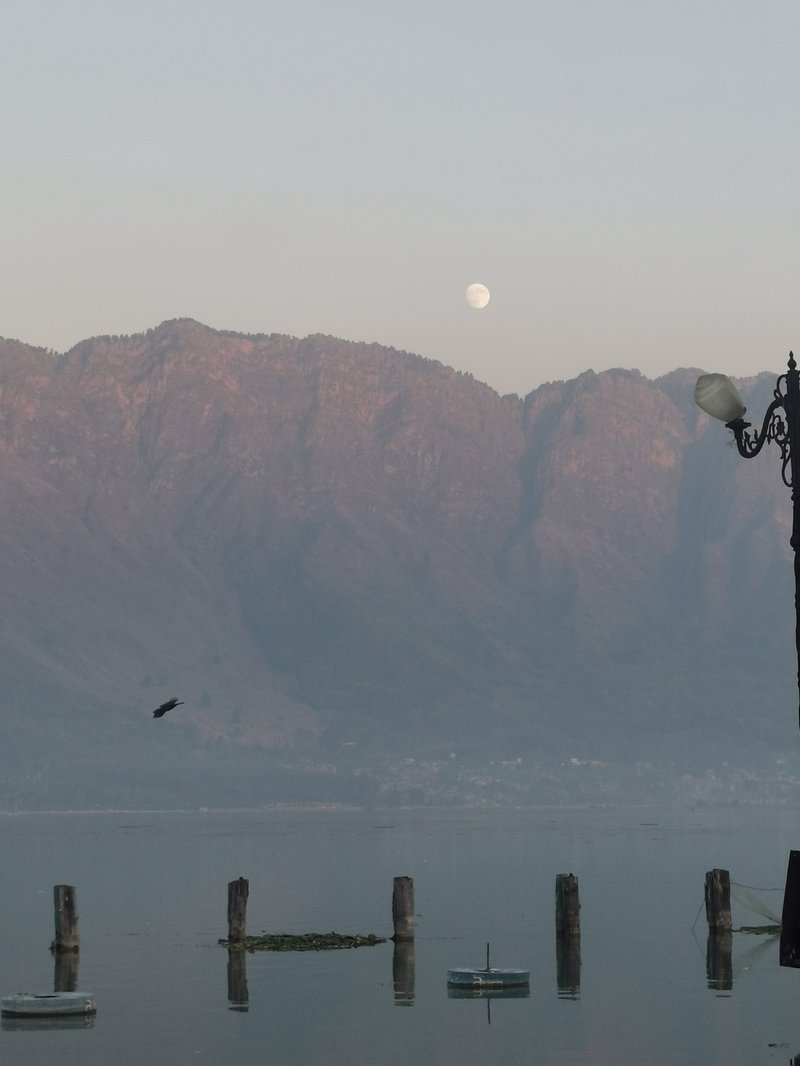
(Sunset at Lake Dal, Picture: Markus Müller)
The dim sunlight over Lake Dal reflected on the flat surface of the water, gondolas were moving by, and birds gathered for their evening call in front of the backdrop of the impressive Himalayan mountains. What an incredible panorama. I spent a few minutes here to enjoy the scene before I got on my way back to the houseboat. A very complex day ended with four specific places visited, all without a guide.
Location: Dargah Sharif Hazratbul
Entrance: free of charge
Opening Times: Mon.-Sun. 09:00-17:30
9. Saffron
More than 15 years ago, I found out about saffron, this light-weight special spice with a comparably heavy economic value. It's perfect for flavouring rice and lassis, potentially deadly in higher doses, and previously even used for abortions. I tried to acquire those strange little threads in different places in the world and even thought of becoming a big Saffron dealer. The first time in India, though, I quickly found out that it's almost impossible to get the real stuff in a touristy town.
Most of the offers in Rajasthan were blatantly fake, well, not even that: some people sold safflower, which is a completely different plant. The fraud even goes so far that the little threads are artificially produced and coloured. After trying and trying, I simply gave up. But suddenly, being in Kashmir 15 years later, my old passion flared up again.
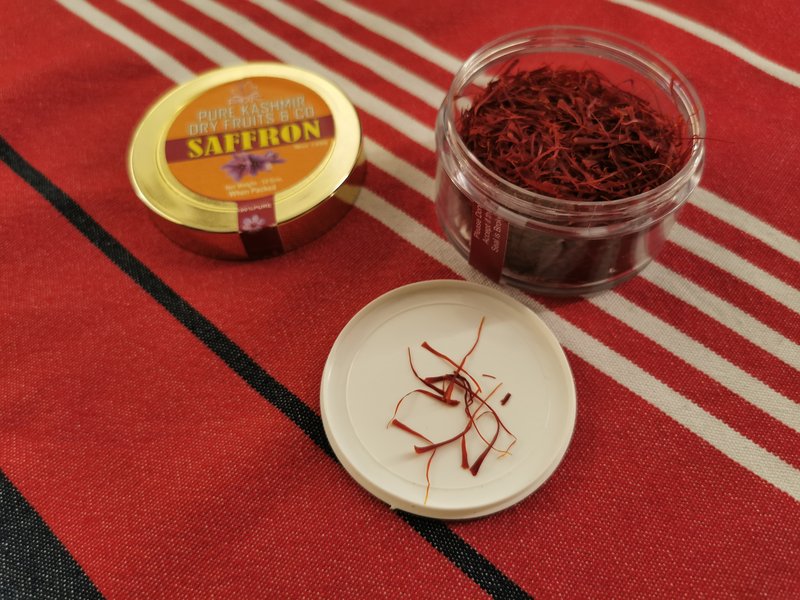
(Saffron from Kashmir, Picture: Markus Müller)
In Srinagar, everyone told me that I would have to go to Pampore, the center of all of the saffron plantations around Srinagar. Unfortunately, it wasn't the season for the flowers to be in blossom, yet still interesting to pay a visit.
From a bus stop near Jan Bakers, I took public transport to Pampore, but got off a bit too early. Someone told me it was the right place, and from here I just went on walking through an area called Zaffron Colony, yet the Saffron was non-apparent.
After endless walking in the Zaffron Colony, a taxi appeared out of nowhere in the middle of nowhere, bringing a lady home to her house. The driver noticed my confusion and desperation. He also told me that there was no harvest right now and everything had been picked already. However, he offered to bring me to the center of Pampore and closer to the factories, where the spice is being processed and sold.
So we drove through the now empty Saffron fields of Pampore and ended up at a manufacturer's house further down the road NH 44. That's exactly the place where you can buy original (or maybe still fake) Saffron. I've got mine for around 30 euros per 10 grams, yet I'm still not 100 % sure if it was the real one.
If you're just as hesitant as me, there are a few ways to check the spice:
✅ Put saffron into water, and it should slowly turn orange/yellow (fake saffron colours the water immediately)
✅ Threads should stay intact inside the water
✅ Tastes slightly bitter and floral (fake saffron could be metallic and sweet)
✅ Saffron leaves faint yellow marks on paper, fake saffron red stains
✅ Saffron threads are slightly trumpet-shaped
After I bought my package of Saffron in Pampore, I slowly started to return by hitchhiking along the NH 44. The trip was a bit chaotic. The usually just 30-minute long ride took over an hour, including switching cars and trucks three times until I finally found a lift to the Lake Dal area. Along the way, I had the chance to listen to the drivers. Again, there were a lot of complaints about the Indian occupation, and drivers were happy to have someone to share their sorrows with.
Location: Pampore
10. Kashmir Wool (Cashmere/Pashmina)
Another famous product of the region is the legendary Kashmir Wool (Cashmere). It’s obtained from cashmere and pashmina goats, both from the undercoat and the guard hairs, and is known for its incredible softness as well as its ability to keep you warm in low temperatures. The fibre is then woven into shawls or other textiles with beautiful patterns.
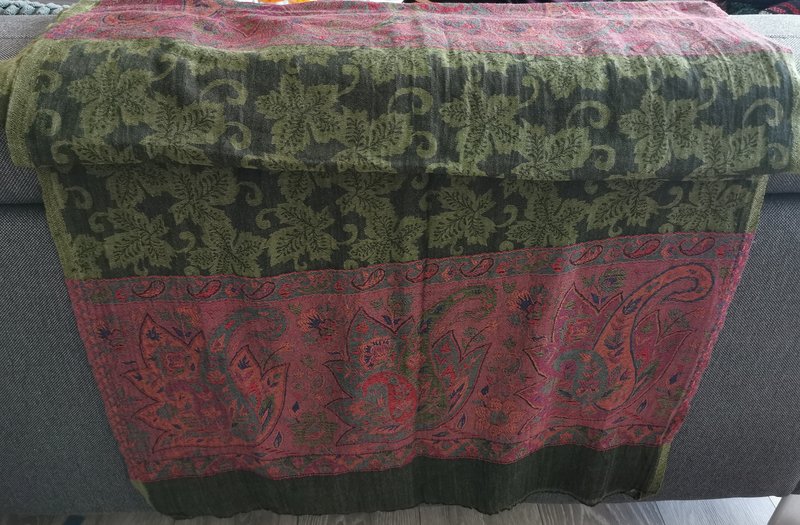
(Pashmina from Kashmir, Picture: Markus Müller)
In Srinagar, you will find Cashmere shops at almost every corner. The ones in the center are probably more likely to sell you the authentic product, while the shawls you can find from street vendors are very likely to be fake.
Some authenticity labels are supposedly given out by the Indian State. However, they can be easily faked, and not every shawl that has written 100% Cashmere on it is actually Cashmere. That’s why it’s always good to test the product before you spend a lot of money on it.
Travel Respectfully
Kashmir is a very special region. Once an independent state, it was torn between India and Pakistan during the Partition. The Sikh Maharaja of the region gifted it to the Hindu-dominated state, and that's where the troubles began.
Today, Kashmiris live in a constant state of poverty, with India cutting off electricity and water. Especially in winter, it causes rough living conditions. Therefore, in the tourist season, people try to make as much money as they can while being overlooked by the Indian military at every street corner.
If people ask you for more money than you would expect, they probably have a reason for it. Most of the houseboats, for example, need constant repairing and can barely be maintained with a normal income. It's even worse when careless travellers cause accidents like fires because of burning cigarettes.
The recent conflict with Pakistan in May 2025 worsened the situation, and therefore, it might be advisable to not just visit the large tourist facilities run by Indian companies, but actually bring your money to local businesses. Kashmiris definitely need the support, more than the large Indian agencies.