Travelling Venezuela in 2026: How is the Situation after the Kidnapping of Maduro?

Last updated on April 22, 2026
After the abduction of Venezuelan President Maduro and his wife on January 3, 2026, many travelers are wondering: Is it still possible to visit the country? Is it safe, and how do authorities react when tourists arrive? I tried it myself in March 2026, and - what can I say - aside from a few minor problems, everything went reasonably well.
How to Enter Venezuela in 2026
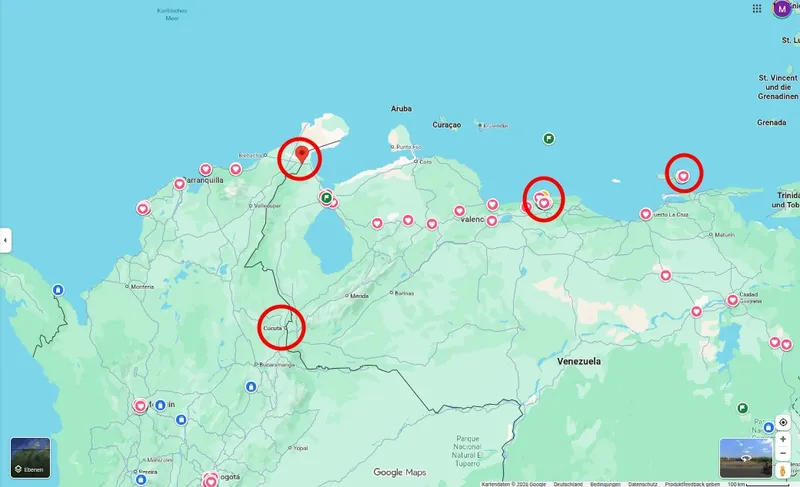
For entry into Venezuela, I recommend flying, since arriving via Caracas Airport makes it almost guaranteed that you’ll get into the country. But since I was already in northern Colombia, I wanted to try crossing the land border at Paraguanchón. With proper preparation, that worked very well. The basic principle is to show the officials on the spot that your trip is fully planned out. A detailed description is in my article on entering Venezuela.
The most important documents you need besides your passport are mainly reservations. They’re not always required, but they do help a lot in convincing the officials. I handed the chief border officer printed hotel reservations for every day of my stay in Venezuela, plus a flight ticket out of Caracas and another from Colombia back to Europe. After a few minutes, I had the stamp. For Europeans the stamp is valid for up to 90 days. Americans, however, still need to apply for a visa.
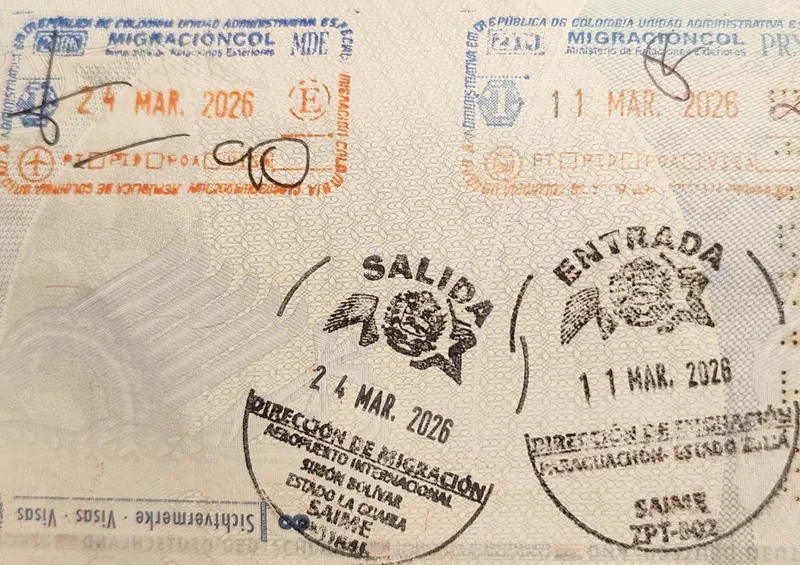
After the stamp, I had to undergo another screening and data collection by the intelligence service SEBIN. The atmosphere was mostly friendly. The only thing that was a bit odd was that I had to record a video in which I explained my profession and my plans in the country.
These 4 tips are important for entering Venezuela:
- Have printed hotel reservations with you (at least for four nights; otherwise, entry is not possible)
- Appear thoroughly organized, and ideally be able to show reservations for every day
- Be able to prove onward departure (flight tickets, preferably even back to your home country)
- U.S. citizens currently still need a visa; for Europeans, stays of up to 90 days are usually visa‑free
Is It Safe to Travel to Venezuela?
Yes, in spring 2026, traveling to Venezuela felt very safe. First of all, I noticed that there was hardly any crime on the streets. Contrary to my expectations, everyone was walking around openly with their smartphones. When I asked, I was told that about six years ago, it had been extremely dangerous. At some point, criminal gangs emigrated to Colombia, Peru, and Chile. Since then, Venezuela has been calm. I had that feeling throughout the whole country. There were many horror stories from the past, but an overall very secure feeling at the time of my trip.
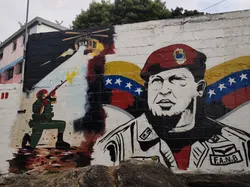
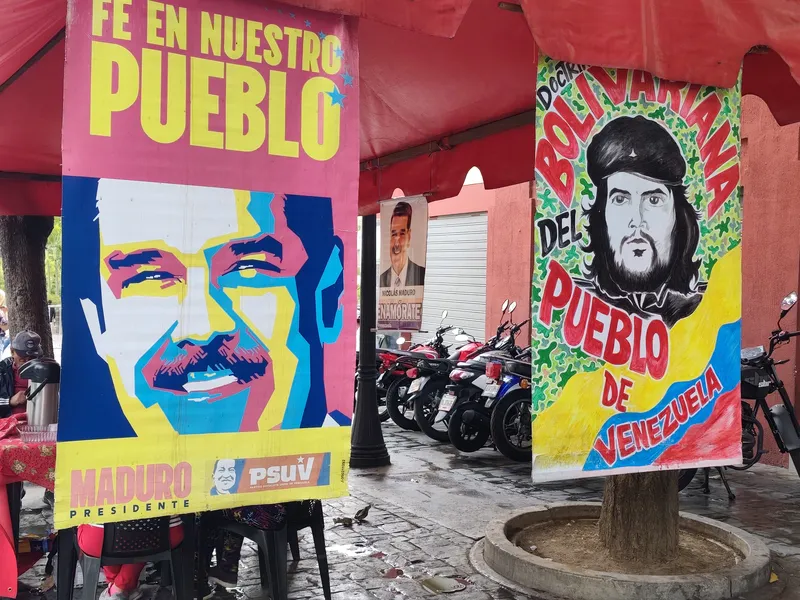
Of course, there were also politically related dangers, because the U.S. intervention in Caracas in early January 2026 wasn't that long ago. In the first days of the year, it wasn’t advisable to go alone into certain neighborhoods because of the colectivos. The colectivos are gangs that support the Chávez movement and caused unrest on the streets shortly after Maduro’s abduction. Their activity can still be read from the many graffiti and tags in Caracas.
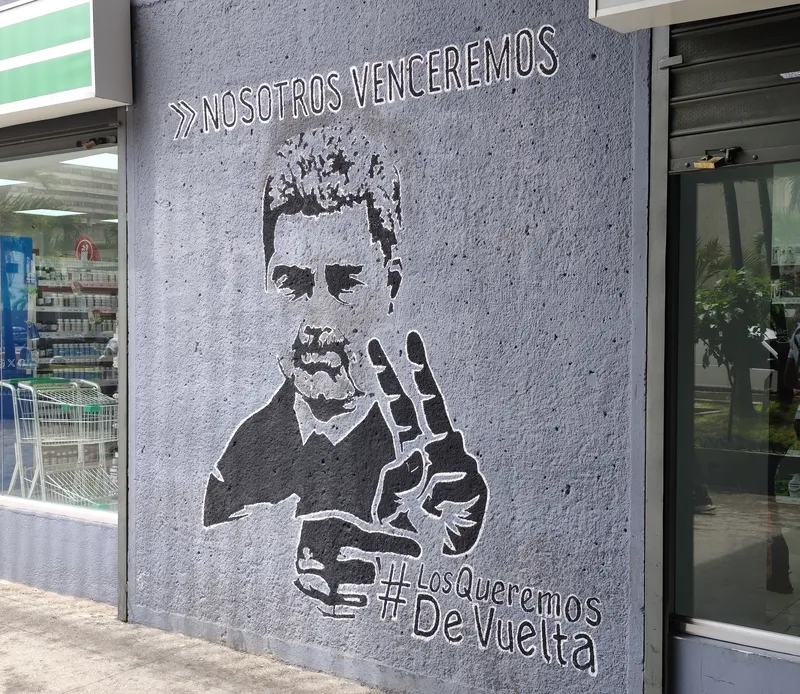
In March 2026, however, the situation was no longer so tense. I even made several trips to 23 de Enero, the neighborhood in Caracas considered a stronghold of the colectivos and the Chávez movement. I was able to photograph the brutalist high‑rise housing estates, some barrios, and the numerous Chávez graffiti without disturbance.
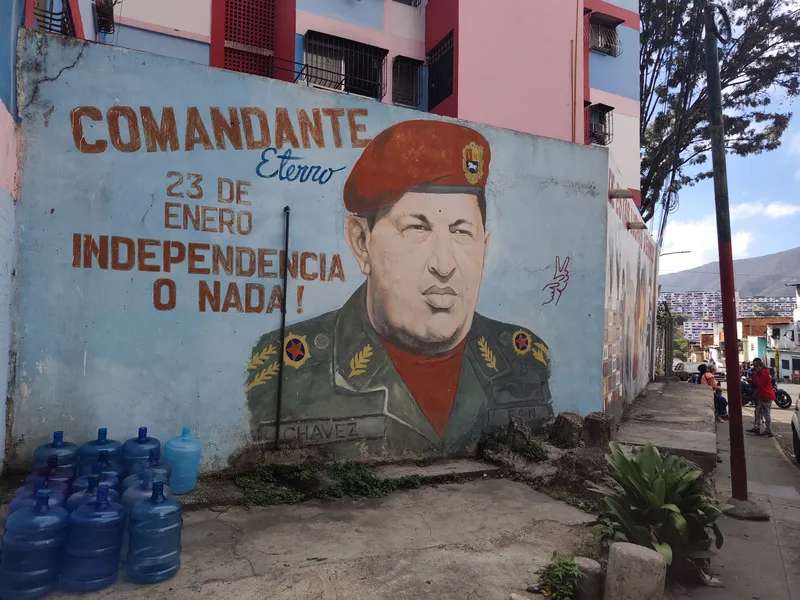
I didn’t dare enter some of the poorer‑looking, barricaded socialist communes, but it would certainly have been possible. The socialist communes in the high‑rises, on the other hand, were easy to enter. There are even some bars where you’re warmly welcomed. Even Chávez’s grave in 23 de Enero is open for visits; although only with guide and without photos.
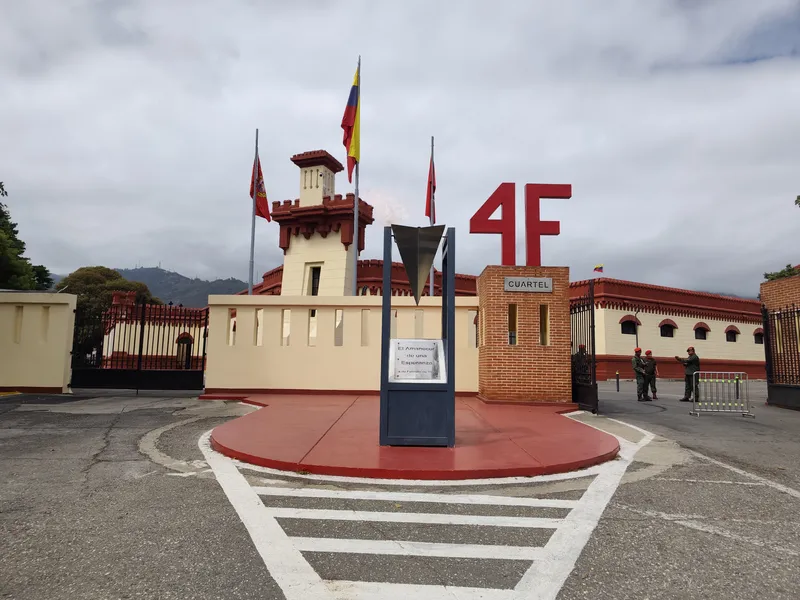
But there’s another danger: the police and the armed security forces (intelligence service, military, and drug enforcement). I often had the feeling that they were the real criminals. You’re constantly stopped on the streets and checked arbitrarily. Privacy isn't respected. Either you’re suspected of drug smuggling or of posting critical things on social media. In the end, some charge is fabricated so they can demand a bribe. Corruption is rampant and a real problem in Venezuela.
In principle, officials have no right to access your phone without suspicion. However, they keep asking for it. If you’re then in the middle of nowhere with no signal, it becomes difficult to say no. Bribery is, of course, also illegal, and if the accusations sound too absurd, you should refuse as long as possible; either threaten to contact the embassy, or film everything. In my case, this unfortunately didn’t work, because all my phones were confiscated. The bill for the whole operation was $20. It would have been nice if they’d said that right at the start instead of building up a threatening atmosphere for an hour.
➜ Here you will find more detailed information about my visit to Barrio 23 de Enero in Caracas.
How Do You Get Money in Venezuela?
In principle, you can withdraw money from ATMs with international cards like Visa and also pay with them directly. The latter worked well in reality (with one exception); the former was more complicated, especially outside Caracas. For safety, I exchanged $250 in Colombia, which in the end was just enough. Most prices are given in REF $: the value of Bolívares in USD for reference. At shop checkouts, you’ll see the current or applied exchange rate. The official rate in mid‑March 2026 was 450 Bolívares Soberanos; on the black market, that's around 600 Bolívares Soberanos.
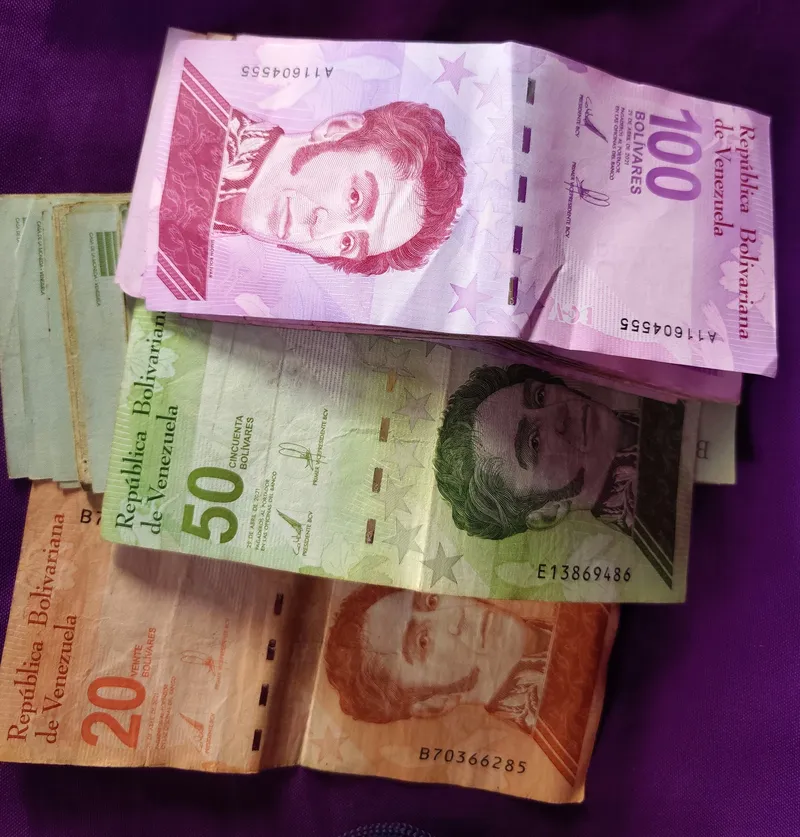
Having Bolívares on you isn’t a bad idea, but the sheer number of banknotes makes it very impractical. Shortly after arrival, I exchanged $10 and ended up with a thick brick of notes. In daily life, you can occasionally use the banknotes, but they disappear very quickly. When you pay in dollars, you usually get back a mixture of currencies: USD as much as possible, and the rest in Bolívares.
Due to the complexity of the money system, most Venezuelans use digital payment methods, especially the Pago Móvil and Cashea services. For this, you need to be registered in the country as a resident. Crypto exchanges are also widespread, especially Binance. There, money is exchanged into USDT and secured, making the final cost a bit cheaper overall. A few times, I also used Remitly, an app for international bank transfers.
How High Are The Prices in Venezuela?
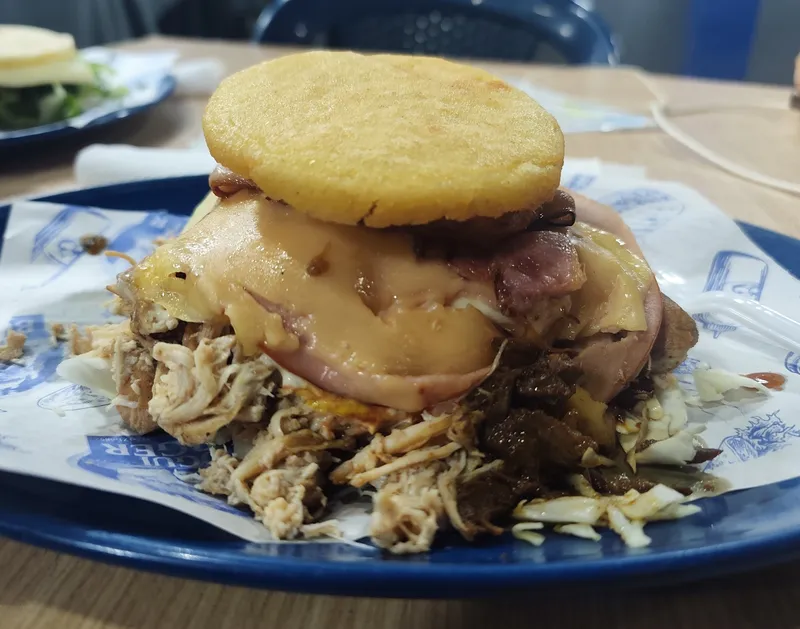
Prices aren’t exactly cheap, but they’re certainly affordable for Western tourists. For a meal, you pay on average between $8 and $12, for example, for patacones in Maracaibo, arepas, cachapas, and hamburgers elsewhere in the country. At the lower end are hot dogs (perros calientes) and food from grill stalls.
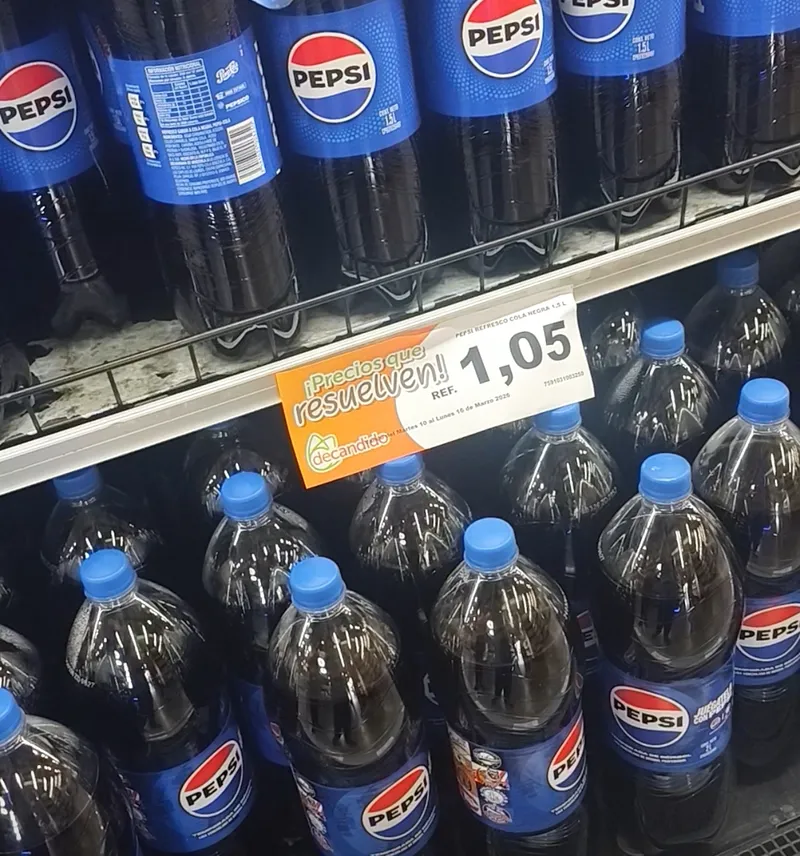
In shops, what stands out is that the cheapest products are Coca‑Cola and Pepsi. On special offer, they can even be cheaper than water. Milk is many times more expensive. At the checkout, you always have to register and give your cédula, i.e. ID number. This consists of 8 to 9 digits, which makes it a bit difficult to use international passports containing letters. Best to simply say, “tengo pasaporte de extranjero” (“I have a foreign passport”), and the clerk will just type in 123...
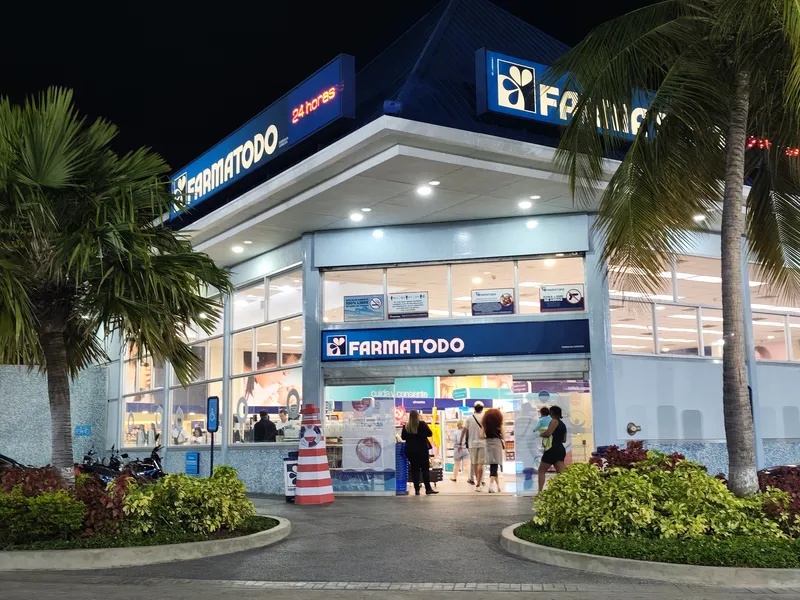
Here's something to know: One of the currently most hyped shops in Venezuela is Farmatodo. This pharmacy chain is expanding and expanding. And it’s far from just a simple pharmacy. The stores are huge and, as well as medical products, they have almost everything, from sunglasses to not‑very‑healthy sweets. But the best thing, according to almost all Venezuelans nowadays: Farmatodo is open 24/7, and prices are fair.
One more important thing is the custom around tipping. As in Colombia, “voluntary tipping” (proposed, voluntario, servicio) is added on the bill. However, you don’t have to actually pay it. In some cases, the suggestion is up to 30%. To make things even more confusing, the actual bill is in U.S. dollars, and the tip is stated in Bolívares. This means firstly figuring out which rate they use (official or black market), doing a calculation to determine how much the tip is in dollars, and then subtracting it. This might take a while, but it is really worth saying no here.
Traveling Inside Venezuela - Hitchhiking, Bus, Ferry, and Plane
In my two weeks in Venezuela in mid‑March 2026, I tried almost every means of transport. I started with taxis and hitchhiking, continued with buses, and ended with motorcycle taxis, ferries, and planes. Overall, I have to say that even though I don't like short‑haul flights, they were the most pleasant way to travel in Venezuela, simply because there were far fewer checks.
Now let's look a bit closer at the 6 methods of travel I used in Venezuela:
1. Hitchhiking in Venezuela
Hitchhiking is called “cola” in Venezuela, which roughly means “holding on to the tail of a horse and letting it pull you”, supposedly a term originating from horseback travel centuries ago. If you want to directly ask someone for a ride, you say “Me das/da la cola para…” and add the destination.
However, since the last few decades were marked by violence, people are a bit more cautious about picking up strangers than in the good old horse riding days. That’s why it’s best to go to toll booths or military checkpoints and let the security forces do the job. They’ll first ask for documents and then help you out. My experience showed, however, that they really only approach drivers if they’re heading all the way to your destination. That's how you lose a lot of time. Instead of waiting, it's better to ask the officials again and try to stop cars by yourself. Moreover, there can be pretty unpleasant checks if you get into a rough-looking car, including a complete search of your luggage.
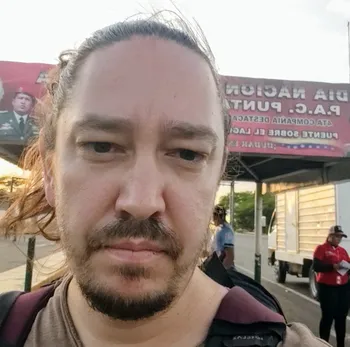
In principle, hitchhiking in Venezuela works well with military support. But you should be careful not to get into “suspicious‑looking” cars, because those are more likely to be waved down for a check. At the checkpoints, don’t take too much of a break and rely on the help of the officials with finding cars. It's better to stick out your thumb and put some pressure on them.
➜ You can read more about my personal experience in my article about hitchhiking in Venezuela.
2. Buses
The second option for long‑distance trips is the bus, certainly the most common way to get from A to B in Venezuela. But here’s the problem: if things go badly, it takes forever. While with cars, only a few passengers have to be checked, soldiers and anti‑drug units sometimes make everyone get off the bus and open their luggage. If this happens, you’re stuck for half an hour or longer - at every checkpoint.
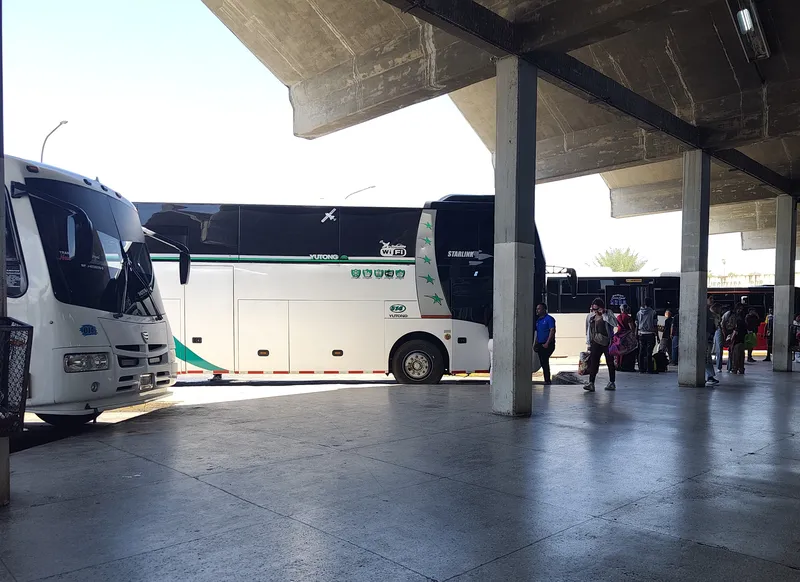
In general, you always feel somehow under suspicion. No friendly smile, just sternness and suspicion. In the worst case, they suspect drugs, and your luggage is completely searched (as happened to me while hitchhiking). With me, they even wanted access to my phone and to read my personal postcards. In the end, I had to pay $20 as a bribe to shorten the matter. The other accusation is probably journalism. They kept asking about social networks (redes sociales). Best to say no, or pretend not to understand, or point out your limited online presence.
Other buses, however, passed through the checkpoints without being stopped that often. After a long day of hitchhiking, I took the night bus from Barquisimeto to Caracas and wasn’t bothered at all on the whole way. Maybe it was because the driver had a list of all the passengers with their ID numbers ready to show to the officials - there's no way to know.
One thing I can say is that vehicles on the road from Maracaibo or from Colombia toward Caracas seem to be stopped more frequently. A Colombian stamp in the passport seems especially suspicious. I was told multiple times that the anti‑drug units deliberately look for Colombians to pressure them and extort money from them. Other foreigners are, of course, good victims too.
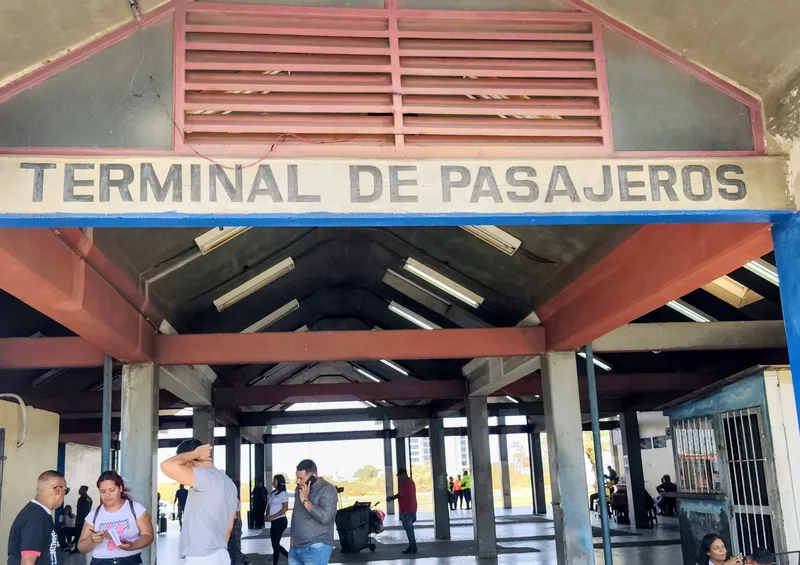
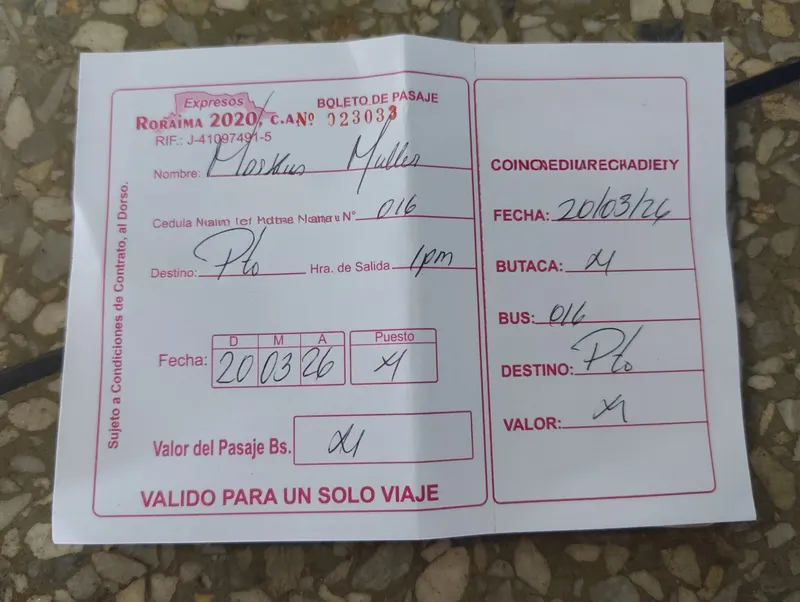
Long‑distance bus fares in Venezuela are around $15 to $30. From Barquisimeto to Caracas (about 350 km), I paid $15; from Ciudad Guayana to Puerto la Cruz (about 200 km), the price was the same. At the bus terminals (Terminal de Pasajero), you pay directly at the offices or buy from one of the ticket sellers. Luggage is usually stored in the bus hold, with a ticket tag issued, which makes the whole thing pleasantly secure.
3. Carro por Puesto
“Car for seat” is how you could literally translate carro por puesto. It simply means shared taxi for long distances. The taxi drivers usually stand right at the entrance of the bus terminals and practically pounce on you when you arrive. If you want to travel cheaply by bus, ignore them immediately, keep walking, or loudly shout “autobús.”
Carros por puesto can actually be a really good alternative to the buses. Often, they’re practical because they get through checkpoints faster. From Ciudad Guayana/Puerto Ordaz, I paid - although maybe it was an exception - just $5 extra to take the shared taxi instead of the bus. It was worth it. The driver knew some of the people at the checkpoints, and we could just pass through.
The question remains, why? Some people I met told me it's all about the type of vehicle. Old beat-up cars that look like they could break down at any minute are more likely to be stopped. Contrary to the assumption that a "socialist" state like Venezuela would confiscate the cars of rich people, the authorities seem to prefer to squeeze out bribes from workers and hitchhikers.
4. Traveling by Plane in Venezuela
Actually, I prefer to travel by land to slowly feel the change of landscapes and culture. But the dozens of checkpoints, sometimes at a city's entrance and exit, each time with the same intensity (luggage check, anti‑drug, suspicion, asking about social media), make bus and car journeys exhausting. That’s why I occasionally took the shortcut by plane; maximum 1 hour in the air vs. 8 to 15 hours on the road without any way of knowing when you're going to arrive.
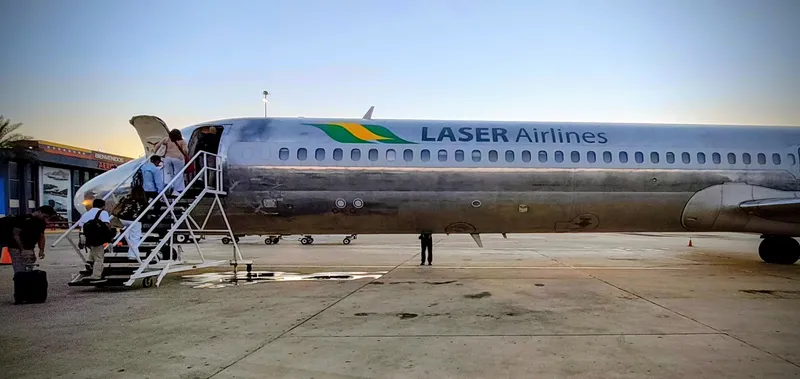
With domestic flights, everything is much easier. First, you do need to talk to the migration authority, and, of course, they treat you with suspicion. You can clear it up easily with printed reservations and a return flight ticket. Whatever they say, answer that you’re a tourist, that you booked hotels and a return trip.
Various airlines operate inside the country. For international flights between Colombia and Venezuela, I chose Wingo. For domestic flights, I used Avior Airlines and Laser. Furthermore, there are flights by Conviasa, Estelar, Copa, Avianca, and LATAM available.
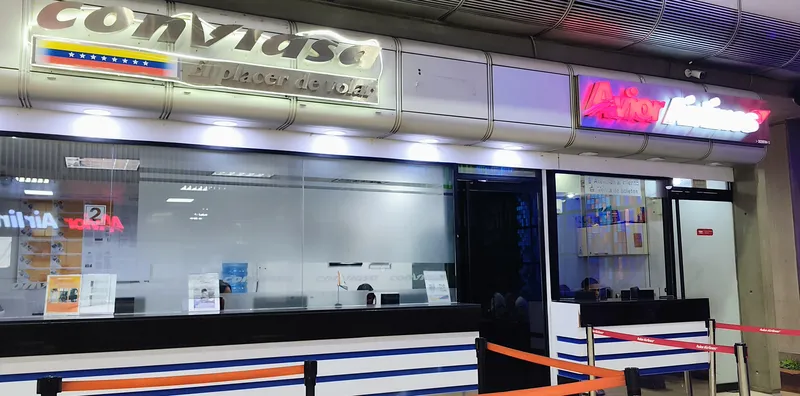
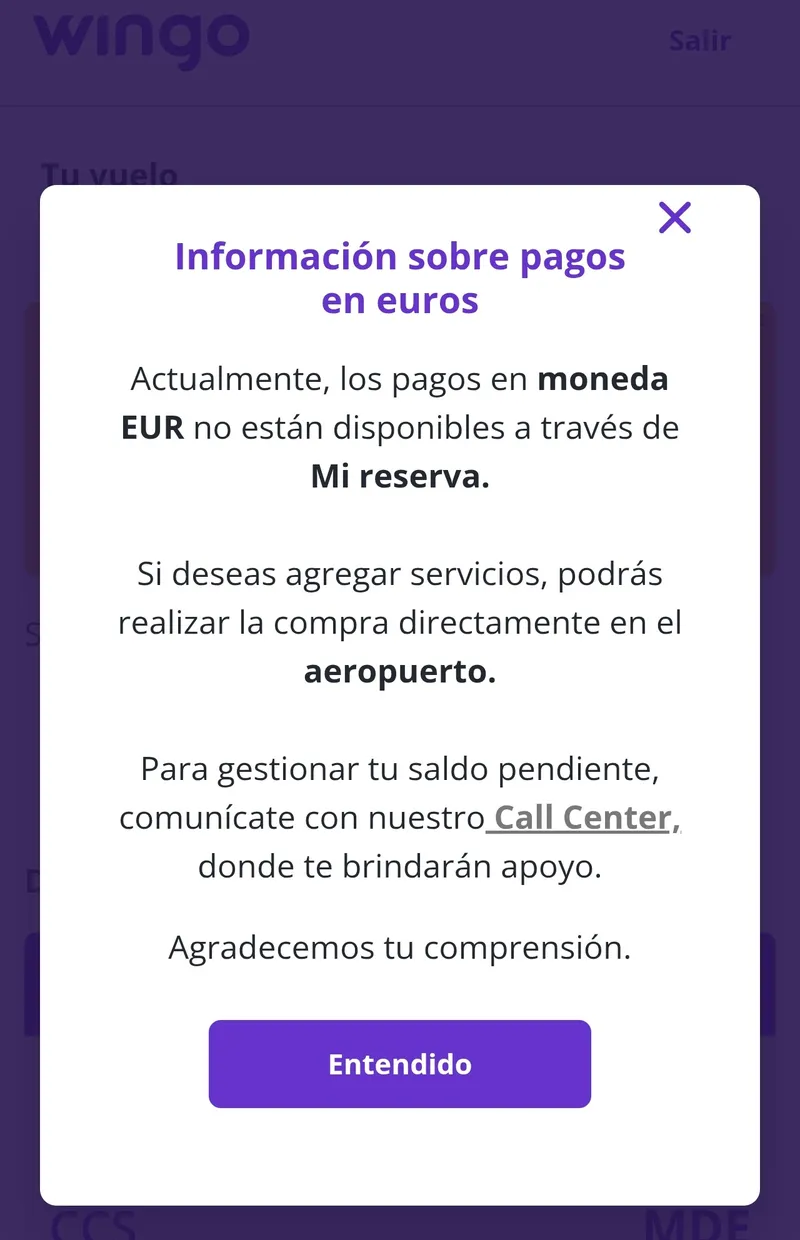
Overall, I can recommend Avior and Laser a lot more than Wingo. Wingo looks cheaper at first glance, but you still have to add checked baggage. With the other two airlines, that’s even included in the cheapest fare. Moreover, Wingo’s website falls down when it comes to payment. In my case, they kept claiming that euros were currently not supported. In Caracas, this caused enormous problems because the notification blocked the online check‑in. I was referred to the airport, where, however, there’s no Wingo office. To reach the customer service via phone isn't easy either. When the flight to Medellín was canceled a few hours before departure, the chaos got even bigger. My conclusion: I'm not gonna fly with Wingo again.
With Avior and Laser, I also had some difficulties paying for the tickets themselves. Eventually it worked out, but I had to try with a few credit and debit cards. Contacting the airlines via WhatsApp usually doesn’t work. You will only reach an AI bot with limited ability to help. Even in Spanish, it got most of my questions wrong. By the way, English is hardly an option.
5. Ferry
If you want to visit Isla de Margarita, one of Venezuela’s most famous islands, you can use the ferry. The archipelago of Los Roques, on the other hand, is only reachable by plane. The ships for Margarita depart from Puerto la Cruz and Cumaná. There are several shipping companies based here, which can make the schedules look a bit confusing. Initially, I checked with Gran Cacique and could only find morning departures. When I asked the taxi driver, however, it turned out there are many more sailings, including overnight ones.
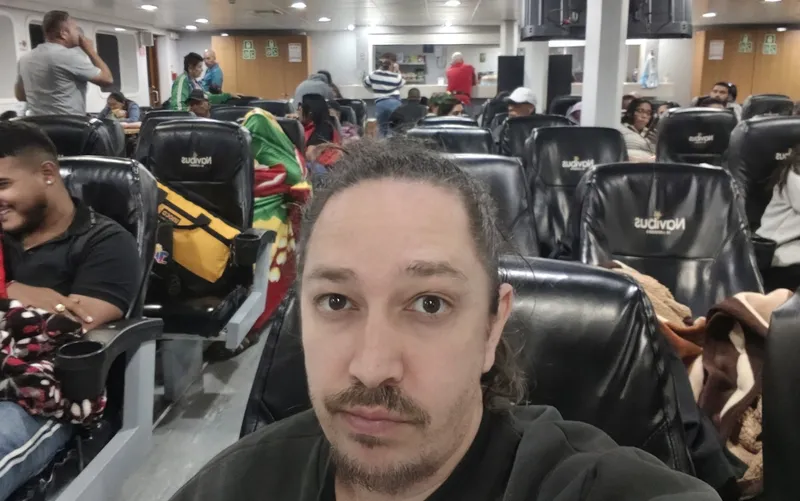
Right next to the Gran Cacique terminal, there’s another ferry port called "ferry". So, if you want to go there, just tell the taxi drivers " Ferry Terminal”, and you’ll get there quickly. In the entrance hall, you will find various providers such as Navibus, Naviera Paraguana, and Ahca. Their services to Punta de Piedras start at 3 pm, 10 pm, and 11:50 pm. I chose the last option to be able to sleep a bit on the ferry and save the money for the accommodation. After almost exactly 5 hours sailing, we arrived on the island. At the exit of the terminal, there are quite a few taxis, which you'd better ignore. Walk past them, loudly shout "autobús", and everything will be fine. After all, the bus to the center of Porlamar, right next to them, only costs $1 instead of $20.
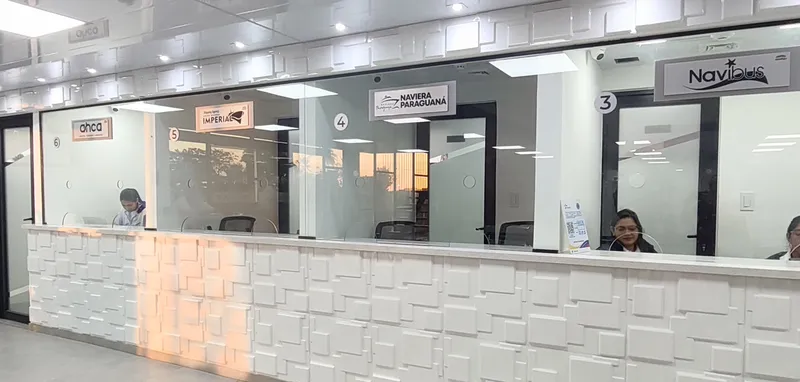
Let's now have a few words about the ticket purchase, because this was quite a thing. Believe it or not, but it took about 2.5 hours until I finally had the ticket in my hand. First, I had to go to immigration (Migración), which is in the same hall. There, they asked me for details about my passport, reasons for travel, phone number (local), and hotel. This part was finished relatively quickly, and afterwards, I was supposed to go back to the ticket counter. Unfortunately, the employees there simply had no idea how to enter a foreign passport into the system. After 20 minutes, my clerk gave up and started to offer service to any other customer but me.
After more than an hour, I checked on her again, which, as I had already discovered when hitchhiking, is a very clever thing to do in Venezuela. Eventually, she took care of me again, interrupted by other passengers who squeezed in between. Once the first problem had been solved with the help of two more employees, payment by card suddenly became a major issue. It seemed as if the cashier had never seen a Visa credit card. After another 15 minutes or more, she rejected the payment method, and I had to scrape together my last cash for the ticket. Like with the other providers, it costs $30, and strangely, I had it ready down to the last Bolívar.
Once you have the ticket, you need to go to another counter, where they charge you with fees of about $2.50. This time, my credit card was directly accepted, almost demanded. If that had been an option before, I wouldn’t have had to go to the island without any cash. But at least, finally, I held the ticket in my hands and…of course, had to go to immigration (Migración) again. There, the ticket was stamped, then checked again at boarding, and done. Apart from another obligatory drug check before being let onto the boat, of course.
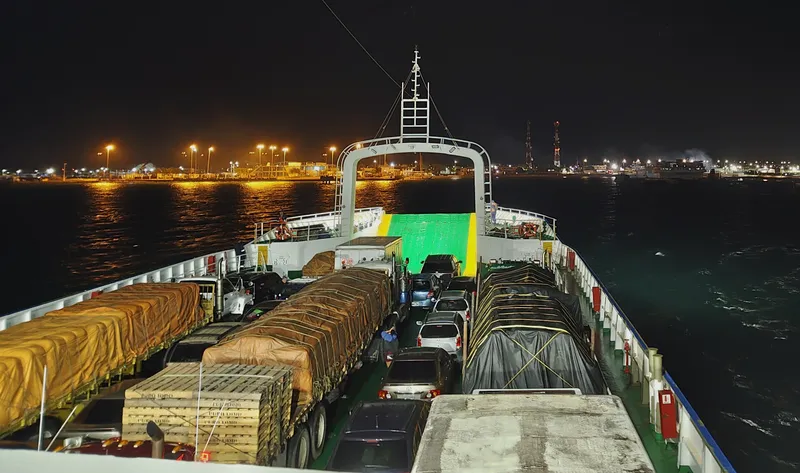
By the way, what you don’t need, even though it’s written on the ferry’s websites: a photocopy of your passport. I brought it, but noone asked for it.
Public Transport in the Cities
In the cities, it's pretty easy to get around by bus and taxi. In Caracas, there’s also a subway, but you need a rechargeable e-card for it. My preferred option: the taxi apps Yummy Rides and Ridery. You can simply link them to your Mastercard and get additional discounts. The first rides are even free with different payment methods. Overall, the app and payment system here, despite the outspoken opposition to the U.S., is much easier to navigate than the one in China, for example.

With Yummy Rides, you can choose between cars, motorcycles, and vintage cars – i.e., rickety oldtimers. I mostly chose the motorcycles because they’re ridiculously cheap, sometimes only $1.50. When there’s a lot of traffic, they will also bring you faster through the jam.
Leaving Venezuela: Have Your Documents Ready
Honestly, leaving Venezuela is almost as hard as entering. At first I wondered why the airline told me to be 5 hours earlier at the airport. Once I arrived, it became clear. The queue at check‑in was huge and initially ended at three soldiers in festive uniforms, including a member of the anti‑drug unit. They checked the ticket relatively quickly before I was let through to the actual counter.
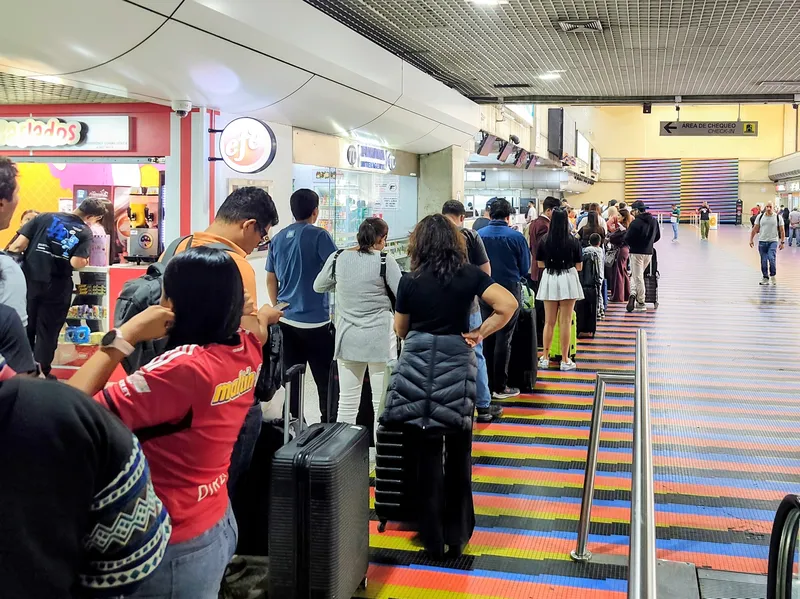
At the counter, they investigated further; now came the critical questions about where I had stayed and whether there were onward flights from Colombia to Europe. Having all the documents ready helped a lot. It still took a while before the luggage was finally accepted and the boarding pass issued. A local phone number also had to be given before this procedure was finished.
After that, I had to wait again, this time next to the baggage scanners. Once your own luggage has passed through the machine without complaints, you can move on to security control, where anti‑drug units with dogs are waiting for you. One of the four‑legged officials here almost snatched my empanada, dripping with fat; that's how deep corruption runs in Venezuela.
The next stop was the actual passport control. Here, they inquired one more time about the details of my stay and departure. Hotel addresses, phone numbers, and flight tickets to Europe were demanded. A second official photographed everything and, fortunately, didn’t ask me about my social‑media apps, which I had deleted from my phone beforehand to avoid any checks.
About to board, the madness wasn’t over yet. The empanada and a few overly ripe mangoes seemed to have aroused suspicion. After they had me unpack my backpack already at the security control, at the boarding, they wanted to have another look again. In front of the flight crew, they conduct another drug search, and one of the officers spotted me.
Fruits and empanada, however, hardly mattered to him. Instead, he intensively sniffed on my power banks and recorded a short video of himself on my GoPro. Eventually, he seemed satisfied that power banks smelled like power banks and the batteries fit into the camera's compartment. Finally, I was allowed to board and fly out of the country. Although Venezuela was exciting and largely safe, I did feel a bit relieved to have left a state that is all about controlling citizens and visitors.
Quick Answers (FAQs)
Do I Need To Know Spanish In Venezuela?
You will need to know some basic Spanish to get around in Venezuela. Even at airports and with the police, communication will be only in this language. It's advisable to download the language for Google Translate or other Translator apps.
Can I Get a Local SIM Card in Venezuela?
Yes, you can easily get a SIM Card in any big phone shop. After presenting your passport, you will be able to buy your SIM plus a data or calling package.
Do I Need a Visa For Venezuela?
Most Europeans don't need a visa to enter Venezuela and are allowed to stay in the country for 90 days. American tourists will have to apply for a visa beforehand. This rule might change in the near future, because of the rising American influence in Venezuela.
Can I Pay By Card or Cash in Venezuela?
In most cases, you can pay by card. You will be able to use Visa and Mastercard. There are some exceptions, especially street food and the ferry in Puerto la Cruz. It's advisable to have at least some USD and Bolívares ready. In some cases, I could also pay with Euros.
Is The Internet Restricted In Venezuela?
No, the Internet is not too restricted, but most likely surveyed. During my travel to Venezuela, I could access most websites and apps. Out of my experience, it's also easy to install and use an VPN in Venezuela.